

Buying a Kosher Mezuzah in San Francisco: What Jewish Families Should Know
Learn how to buy a kosher mezuzah in San Francisco, what halachic standards matter, and how to find verified mezuzah scrolls.
Purchasing a mezuzah is not simply acquiring a ritual object, it is a halachic responsibility that requires care and knowledge. A mezuzah that does not meet the standards of kashrus cannot fulfill the mitzvah, regardless of its appearance or origin. Many Jewish families in San Francisco seek authentic mezuzahs for their homes but may not be aware of the rigorous requirements that distinguish a valid mezuzah from one that appears acceptable but is halachically deficient.
Understanding what makes a mezuzah kosher, where to find reliable sources, and how to evaluate your options is essential to fulfilling this precious mitzvah properly. At Kosher Mezuzah, we are dedicated to ensuring the proper fulfillment of the mitzvah of mezuzah through transparency, certification, and education. If you are ready to bring the kedushah of a verified kosher mezuzah into your home, explore our selection of verified scrolls written by qualified sofrim and checked under OU endorsement.
What to Look for When Buying a Mezuzah
A kosher mezuzah must meet exacting halachic standards that extend far beyond surface appearance. The mitzvah of mezuzah is fulfilled only when the scroll is written correctly, checked thoroughly, and produced with the proper intention and materials. Buyers who are unfamiliar with these requirements may inadvertently purchase a scroll that is pasul, or invalid, even though its professional appearance. The following elements form the foundation of mezuzah kashrus and should guide every purchasing decision.
Handwritten on Kosher Klaf by a Qualified Sofer
Every kosher mezuzah must be written by hand on parchment made from the hide of a kosher animal. The sofer who writes the mezuzah must be a Torah-observant Jew who possesses both technical skill and halachic knowledge. The writing must be done with special ink, known as dio, that is formulated to meet stringent halachic requirements and will not fade or deteriorate over time. The letters must be formed with precision, following the intricate rules of tzuras ha'os, which govern the shape, spacing, and structure of every letter and word. Even a single error in letter formation can render the entire mezuzah invalid. The sofer must also write with the proper intention, known as lishmah, dedicating the work to the fulfillment of the mitzvah at multiple stages of the writing process. These requirements are not merely technical details but are rooted in the halachic system that defines what it means to fulfill the mitzvah properly.
Independent Rabbinical Verification and Certification
After the sofer completes the writing, the mezuzah must be inspected by a qualified magiah, or checker, who is trained to identify both visible and subtle errors. This checking process involves a detailed review of letter formation, spacing, adherence to sirtut (the scored lines on the parchment), and the overall integrity of the text. Many errors that can invalidate a mezuzah are invisible to the untrained eye and require years of training to recognize.
Independent oversight by a recognized authority, such as the Orthodox Union, provides an additional layer of assurance that the mezuzah has been vetted through a rigorous, transparent process. Mezuzahs from our OU Endorsed process are checked by multiple magihim who are not affiliated with the sofer, ensuring that every scroll meets the highest halachic standards before it is sold.
Traceability and Transparency
A kosher mezuzah should come with documentation that allows the buyer to verify its origins and authenticity. This includes the name of the sofer who wrote the scroll, the names of the magihim who checked it, and the level of writing.
Transparency in the supply chain is essential because it establishes accountability and allows buyers to make informed decisions based on verifiable facts rather than assumptions. Many mezuzahs sold through retail channels lack this level of documentation, making it difficult or impossible for buyers to assess the scroll's validity.
Kosher Mezuzah provides QR-based verification for every verified mezuzah, allowing buyers to access the complete history of their scroll, including images of the parchment and details about the checking process. This level of traceability ensures that each mezuzah fulfills the mitzvah properly and gives buyers the confidence that their purchase is rooted in halachic integrity. For a related question, see Everything You Need to Know About Buying a Mezuzah in Portland.
Finding a Mezuzah Store in San Francisco
San Francisco's Orthodox community is small, centered in the Richmond and Sunset districts on the west side of the city, with Chabad centers downtown and in the Marina. Most Bay Area frum families live outside the city: Palo Alto and Sunnyvale on the Peninsula, Oakland and Berkeley in the East Bay, and San Jose to the south all have established Orthodox shuls and kosher shopping. Judaica retail is limited across the region, and most families order scrolls online.
San Francisco and its surrounding areas are home to several Judaica stores that serve the local Jewish community. These stores offer a range of ritual items, including mezuzahs, cases, and other religious articles, and many families turn to them as a convenient and familiar option for purchasing mezuzahs. Local stores often provide personal service and the opportunity to see items in person before purchasing. But, the process of buying a mezuzah involves more than simply selecting an item from a shelf, and understanding the limitations of retail distribution can help buyers make more informed decisions.
Local Judaica Shops and Synagogue Resources
The following stores in the San Francisco area offer Judaica products and may carry mezuzahs. This list is provided for informational purposes only and does not constitute an endorsement or evaluation of any particular store.
| Store | Area | What they carry |
|---|---|---|
| Starr Stevens Judaica Shop | Burlingame (Mills Estate) | Judaica, mezuzos, cases |
| Afikomen Judaica | Berkeley (Elmwood) | Judaica, mezuzos, cases |
These stores are listed for informational purposes only. Inclusion does not imply endorsement or evaluation of the kashrus of any mezuzos they carry. Ask each store who wrote the scroll, who checked it, and what documentation is available.
Many synagogues in San Francisco also maintain small gift shops or can refer members to trusted sources for mezuzahs. These community resources play an important role in supporting local Jewish life and providing access to ritual items. Buyers should approach these sources with respect and gratitude for their service to the community, while also recognizing the structural limitations that can affect the availability of documentation and verification.
Questions to Ask Before You Purchase
When purchasing a mezuzah from any source, buyers should ask specific questions to assess the scroll's authenticity and halachic validity. Who wrote the mezuzah, and is the sofer's name available for verification. Who checked the mezuzah, and is the magiah's name documented. Is there oversight from a recognized authority, and can the certification be independently verified.
Retail Judaica stores typically sell mezuzahs written and checked by others, which means they may not have direct access to this information. This does not reflect dishonesty or negligence on the part of the store but rather the logistical reality of retail distribution. Without standardized oversight across the mezuzah market, documentation and verification may not always accompany each scroll, making it difficult for buyers to assess the validity of their purchase.
Why Many San Francisco Families Order Mezuzahs Online
Purchasing a mezuzah online from a trusted, documented source has become an increasingly wise decision for families seeking halachic assurance and transparency. This choice is not about convenience or cost but about verification, accountability, and the ability to fulfill the mitzvah with confidence. While local Judaica stores remain a valued part of the Jewish community, the structure of retail distribution can create informational gaps that documented online sources are designed to address. Understanding when and why ordering online may be preferable can help buyers make decisions rooted in halachic responsibility rather than habit or assumption. We cover this in more depth in Where To Buy A Mezuzah In Los Angeles.
Wider Selection and Detailed Documentation
Documented online sources typically offer a broader range of mezuzahs, allowing buyers to choose scrolls that match their preferences for script style, size, and level of hiddur. More importantly, online sources that specialize in verified mezuzahs provide detailed documentation for each scroll, including the name of the sofer, the names of the magihim who checked the mezuzah, the date of writing and inspection, and high-resolution images of the parchment itself.
This level of transparency is rarely available through retail channels, where mezuzahs are often sold without accompanying documentation. Buyers who order from a documented online source can verify the authenticity and kashrus of their mezuzah before it arrives and can retain that documentation for future reference. This traceability creates a direct link between the buyer and the individuals responsible for producing and checking the scroll, establishing accountability that continues beyond the point of sale.
Verified Kashrut Standards and Peace of Mind
Ordering a mezuzah online from an OU Endorsed source provides consistent halachic standards that are verified through an independent, multi-layered process. Each mezuzah is handwritten in Israel by a vetted sofer, checked by multiple magihim, and reviewed using advanced technology to identify even subtle errors. The OU endorsement process includes verification of materials, documentation of the writing and checking stages, and tamper-evident packaging to ensure the scroll remains intact during shipping. This rigorous oversight addresses the systemic lack of standardization in the mezuzah market and gives buyers the confidence that their mezuzah fulfills the mitzvah properly.
For families in San Francisco who may not have access to a local sofer or a trusted checking service, ordering from a documented online source can be the most reliable way to obtain a mezuzah that meets the highest halachic standards.
At Kosher Mezuzah, we provide this level of verification for every scroll we sell, ensuring that each mezuzah is a true fulfillment of the mitzvah and a source of kedushah for your home. If you would like assistance selecting the right mezuzah for your family, contact us and we will be happy to guide you through the process.
Choosing the Right Mezuzah Case for Your Home
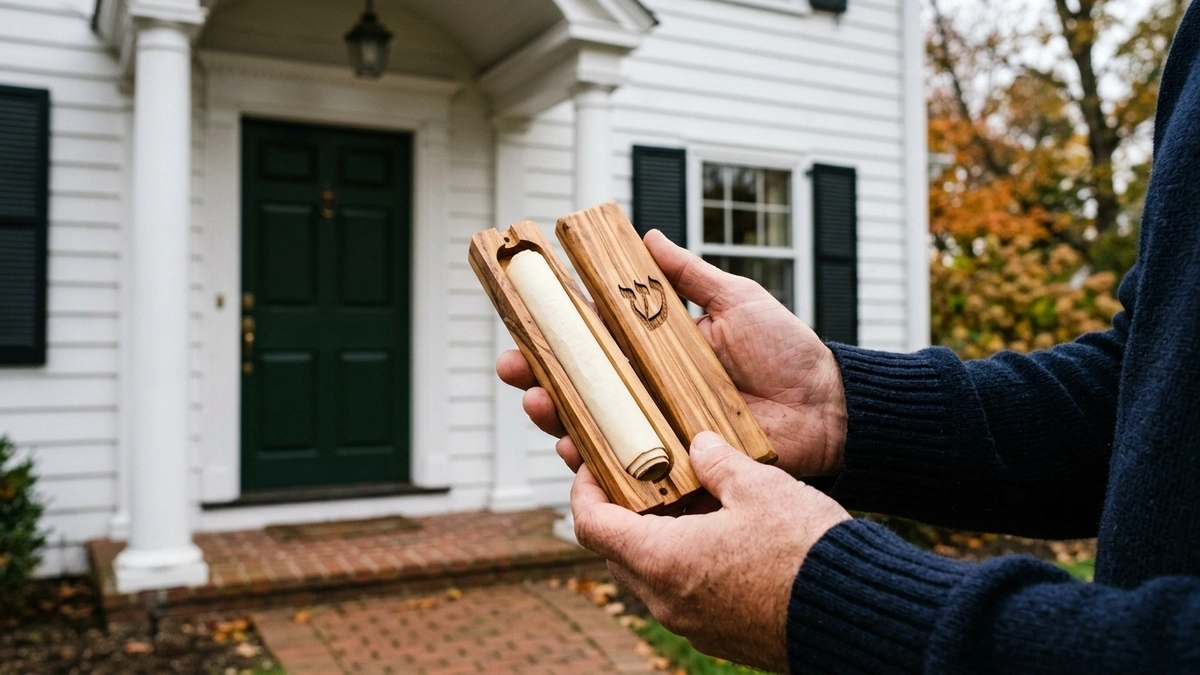
Once you have obtained a kosher mezuzah scroll, selecting an appropriate case to protect and display it is the next step. The case serves both a practical and aesthetic function, safeguarding the scroll from the elements while reflecting the dignity of the mitzvah. San Francisco's unique climate, with its fog, moisture, and temperature fluctuations, requires special consideration when choosing a Mezuzah case for outdoor doorways. The right case will keep your mezuzah protected and allow it to remain visible as a symbol of kedushah (holiness) and connection to Hashem.
Materials, Size, and Aesthetic Considerations
Mezuzah cases are available in a wide variety of materials, including wood, metal, ceramic, glass, and acrylic. Each material offers different aesthetic qualities and levels of durability. Wooden cases provide warmth and tradition but may require more maintenance if exposed to moisture. Metal cases, such as those made from brass or aluminum, offer durability and a polished appearance. Ceramic and glass cases can be beautiful and artistic but may be more fragile and better suited for indoor doorways. The size of the case must match the size of the scroll, ensuring a snug fit that prevents the scroll from shifting or becoming damaged. Most residential mezuzahs are either four inches or six inches in length, and cases are sized accordingly.
Weather Resistance for San Francisco's Climate
San Francisco's coastal climate can be challenging for outdoor mezuzahs, particularly those affixed to doors facing the ocean or exposed to frequent fog. Moisture can seep into poorly sealed cases and damage the parchment, rendering the mezuzah pasul over time. For outdoor doorways, buyers should choose cases made from weather-resistant materials such as powder-coated metal or sealed acrylic. Some cases are specifically designed with gaskets or protective coatings to keep moisture out.
It is also advisable to check outdoor mezuzahs more frequently than indoor ones to ensure the scroll has not been affected by the elements. If you notice signs of moisture, discoloration, or deterioration, the mezuzah should be inspected by a qualified magiah as soon as possible. Protecting the mezuzah from environmental damage is part of the responsibility of fulfilling the mitzvah properly and ensuring that the scroll remains kosher throughout its use.
How Many Mezuzahs Does Your San Francisco Home Need?
Determining the number of mezuzahs required for your home involves understanding the halachic criteria that define which doorways require a mezuzah and which do not. The basic rule is that any doorway leading to a room used for dwelling purposes requires a mezuzah on the right-hand side as you enter. This includes bedrooms, living rooms, dining rooms, kitchens, and home offices. Doorways leading to bathrooms, closets, storage rooms, and certain utility spaces are generally exempt from the mitzvah. The doorway must have two doorposts and a lintel, and the room must be at least four amos by four amos in size, roughly six to seven feet by six to seven feet. Rooms that do not meet these minimum dimensions are exempt from the requirement.
| Doorway | Mezuzah required? | Notes |
|---|---|---|
| Front entrance | Yes | Right side as you enter, upper third of the doorpost |
| Bedrooms | Yes | Includes children's rooms and guest rooms |
| Kitchen and dining room | Yes | If the room has a proper doorway |
| Living room and family room | Yes | Including archways without doors, ask your rav about width |
| Home office and study | Yes | Any room used for living purposes |
| Hallways and interior arches | Usually | Depends on structure, confirm with your rav |
| Garage | Depends | Based on use and connection to the house, ask your rav |
| Porch, deck, or balcony | Depends | Ask your rav |
| Bathrooms | No | Exempt |
| Small closets and pantries | Usually no | Exempt if under the minimum size, ask your rav |
For renters in San Francisco, the obligation to affix mezuzahs depends on the terms of the lease and the permanence of the living arrangement. Halachic guidance from a rav is recommended in cases where the doorway or living situation presents uncertainty. Families moving into a new home should conduct a thorough walk-through to count the number of doorways that require mezuzahs and consult with a rav if there are questions about specific rooms or thresholds. Properly affixing mezuzahs to every required doorway brings the kedushah of the mitzvah into every corner of the home and serves as a constant reminder of Hashem's presence and protection.
Which Mezuzah Scroll Is Right for Your San Francisco Home?
Kosher Mezuzah writes three scroll styles, and each ships to San Francisco with full documentation from an OU Endorsed writing and checking process. The Sefardi mezuzah scroll follows the ksav used in Sephardic and Mizrachi communities. The Ashkenaz Beis Yosef mezuzah scroll is the standard for most Ashkenazi homes. The Arizal mezuzah scroll follows the script favored in Chassidic communities. Each is available in 4.7 inch and 5.9 inch sizes across several quality tiers. If you are unsure which script matches your family's minhag, ask your rav, or contact us and we will help you choose.
Conclusion
The mitzvah of mezuzah is a profound expression of our connection to Hashem and our commitment to living in homes sanctified by His presence. Fulfilling this mitzvah properly requires more than selecting a scroll from a store shelf, it demands attention to halachic standards, verification of authenticity, and a commitment to transparency and accountability. In an unregulated market where documentation and oversight are often absent, choosing a verified mezuzah from a trusted source is an act of halachic responsibility and spiritual care.
Whether you purchase a mezuzah in San Francisco locally or online, the key factor is ensuring that your mezuzah has been written by a qualified sofer, checked by independent magihim, and certified through a rigorous process that you can verify and trust. Kosher Mezuzah is dedicated to providing this level of transparency and integrity for every scroll we offer, ensuring that each mezuzah meets the highest halachic standards and brings kedushah and protection to your home.
If you are ready to fulfill the mitzvah of mezuzah with confidence and clarity, call us at 848-356-9471 and we will help you select the right mezuzah for your family and your home.
May the mitzvah of mezuzah bring blessings and protection to your home, and may it serve as a constant reminder of the kedushah that surrounds and sanctifies every doorway through which you pass.



.svg)
Bring a true Kosher Mezuzah into your home
Fulfill the mitzvah with confidence, beauty, and meaning.
Buy a Mezuzah