
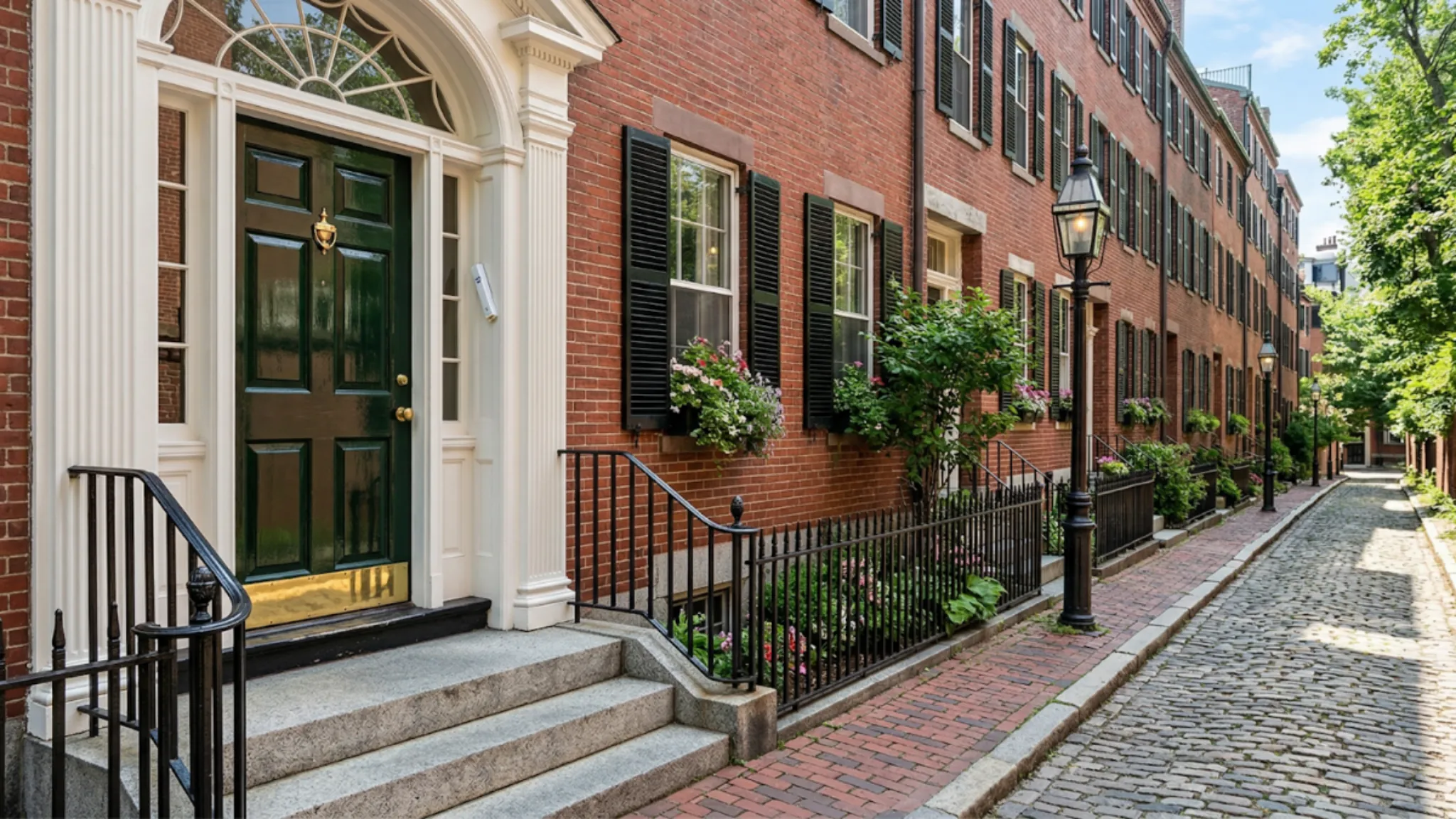
Where to Buy a Mezuzah in Boston: A Guide to Finding Authentic Kosher Scrolls
Learn how to buy a kosher mezuzah in Boston, what halachic standards matter, and where to find verified mezuzos.
When you seek to buy a mezuzah in Boston, you are not simply purchasing a religious article, you are preparing to fulfill one of the Torah's most cherished mitzvos. A mezuzah serves as a tangible reminder of Hashem's presence in our homes and our obligation to live according to His will. Yet many buyers are unaware that not every mezuzah for sale meets the halachic standards required to properly fulfill this mitzvah. We cover this in more depth in Buy a Mezuzah in Hartford. See also Buy a Mezuzah in New York City.
Even in a city like Boston, where the Jewish community is vibrant and respected Judaica stores serve our kehillos, the absence of standardized oversight across the broader mezuzah market means that documentation and verification do not always accompany each scroll.
At Kosher Mezuzah, we are dedicated to ensuring the proper fulfillment of the mitzvah of mezuzah through transparent, OU Endorsed verification. Whether you are moving into a new home, replacing older scrolls, or seeking greater confidence in the kashrus of your mezuzos, understanding what truly makes a mezuzah kosher will help you make informed choices. We invite you to contact us if you have questions about selecting a mezuzah that meets the highest halachic standards.
What Makes a Mezuzah Kosher
A mezuzah is kosher only when it satisfies a complex network of halachic requirements, each one essential to the scroll's validity. The parchment must be made from the hide of a kosher animal, prepared specifically for the purpose of writing sacred texts. The ink must be black, fade-resistant, and formulated according to tradition. The sofer who writes the mezuzah must be a Torah-observant Jew who writes with kavanah, with the proper intention, at each stage of the process. These are not mere preferences or customs, they are halachic requirements rooted in the Gemara and codified in Shulchan Aruch.
Halachic Requirements for the Scroll
The halachos governing the writing of a mezuzah are intricate and interdependent. Each letter of the two parshiyos, Shema and V'haya Im Shamoa, must be formed with precision, and even subtle deviations in letter shape, spacing, or crowns can render a mezuzah pasul. The sofer must write the words in the correct order, known as kesidran, in the correct order. The parchment must be ruled with sirtut, faint lines that guide the placement of text, and the names of Hashem must be written with special sanctity and concentration. Many of these requirements are invisible to the untrained eye, which means that a mezuzah can appear beautiful and still fail to meet the standards necessary for it to be considered kosher. This is why the work of a trained sofer and the subsequent inspection by a qualified magiah are not optional steps but essential elements of producing a valid mezuzah.
The Importance of Expert Verification
Even a sofer with years of experience can make an error, which is why every mezuzah must be checked by a trained magiah before it is sold. The magiah examines the scroll for errors in letter formation, spelling, spacing, and other halachic details that might invalidate the scroll. In many cases, the checking process involves both manual inspection and computer scanning to identify issues that might escape human observation.
This level of scrutiny ensures that the mezuzah you place on your doorpost will truly fulfill the mitzvah. Without expert verification, there is no way for a buyer to know whether a scroll is halachically valid. This reality underscores the importance of purchasing from sources that provide clear documentation of both the writing and checking process, something that is not always available through every retail channel.
Where to Buy a Mezuzah in Boston
Boston's Jewish community is blessed with established institutions and stores that serve the needs of local families. For those seeking a mezuzah, there are several avenues to explore, each with its own strengths and limitations. Understanding the landscape of options available in the city will help you make a choice that aligns with your halachic priorities.
Local Judaica Stores and Synagogue Resources
Boston is home to several reputable Judaica stores that offer mezuzos, cases, and other ritual items. These stores play an important role in the community, providing access to Jewish religious articles and serving as gathering places for members of the kehillah. The table below provides a reference list of local Judaica stores in Boston for informational purposes only. Inclusion on this list does not imply endorsement or critique of any store.
| Store | Area | What they carry |
|---|---|---|
| Israel Book Shop | Brookline | Jewish books, mezuzos, Judaica |
| Kolbo Fine Judaica Gallery | Brookline | Fine Judaica, art, mezuzos, cases |
| Shuki's Judaica, Jewelry & Gifts | Framingham | Judaica gifts, mezuzos, cases |
These stores are listed for informational purposes only. Inclusion does not imply endorsement or evaluation of the kashrus of any mezuzos they carry. Ask each store who wrote the scroll, who checked it, and what documentation is available.
These stores are often well-regarded within the community and operate with good intentions. But, it is important to recognize that retail Judaica stores typically sell mezuzos that have been written and checked by others, often through a chain of distributors. As a result, detailed documentation about the sofer, the magiah, and the materials used may not always accompany each scroll at the point of sale. This is not a reflection of the store's integrity but rather a structural reality of the retail process. Buyers who wish to verify the halachic status of a mezuzah they are considering should ask the store for documentation or consult with a local rav who can inspect the scroll.
Online Options for Boston Residents
In an environment where the mezuzah market lacks uniform oversight, purchasing from a documented online source can offer advantages that are difficult to obtain through local retail channels. When you order a mezuzah from a trusted, OU Endorsed provider, you gain access to consistent halachic standards regardless of your location, verifiable information about the sofer and magiah who worked on your scroll, and transparent documentation of the writing, checking, and inspection process.
These elements provide a level of accountability that extends beyond the point of sale, giving you confidence that if an issue arises in the future, there is a clear record of who was responsible for each stage of production. For families seeking halachic assurance and peace of mind, this approach can represent the wiser direction to take, even when local stores are available.
Kosher Mezuzah ensures each mezuzah scroll meets the highest halachic standards, with every scroll accompanied by OU endorsement and QR-based verification that connects you directly to the history of your mezuzah. Boston residents who value both transparency and tradition are invited to explore our selection of verified mezuzos.
What to Look for When Shopping at a Boston MA Mezuzah Store
Whether you are visiting a local Judaica store or ordering online, there are key indicators of quality and halachic integrity that every buyer should seek. These markers are not superficial preferences, they are tools for ensuring that the mezuzah you bring into your home will properly fulfill the mitzvah.
Certification and Traceability
Certification from a respected halachic authority, such as the Orthodox Union, provides assurance that the mezuzah has been produced according to rigorous standards. OU endorsement refers to a verifiable process that includes vetting of sofrim, verification of materials, and documented checking by trained magihim. When a mezuzah is certified, you are not relying on general assurances but on a system of accountability that traces the scroll from the sofer's quill to your doorpost.
This traceability is especially important in a market where many mezuzos pass through multiple hands before reaching the consumer. A verified mezuzah comes with documentation that answers critical questions about who wrote it, who checked it, and when it should be inspected again. Without this level of transparency, buyers are left to trust that the retail process has ensured kashrus, a trust that may be misplaced when documentation is not available.
If you are considering a mezuzah and cannot learn who wrote or checked it, you are purchasing a scroll whose halachic status cannot be independently verified. For many buyers, this uncertainty is reason enough to seek out sources that provide clear identification and documentation.
Transparent Verification Systems
In recent years, technology has made it possible for buyers to verify the kashrus of their mezuzos in ways that were not available to previous generations. Some verified mezuzos, such as those available from Kosher Mezuzah, now include QR codes that link to detailed records of the writing and checking process, including the names of the sofer and magiah, the date the mezuzah was written, and information about the writing. This system offers a level of transparency that addresses the uncertainty inherent in traditional retail channels. When you scan the QR code on a Kosher Mezuzah scroll, you gain access to the full history of your mezuzah, giving you confidence that you are fulfilling the mitzvah with a scroll that meets the highest halachic standards. Your mezuzah should be a reminder of holiness and protection for your home, and knowing that it has been verified by trusted authorities adds to the kedushah and peace of mind that the mitzvah brings.
Choosing the Right Mezuzah Case
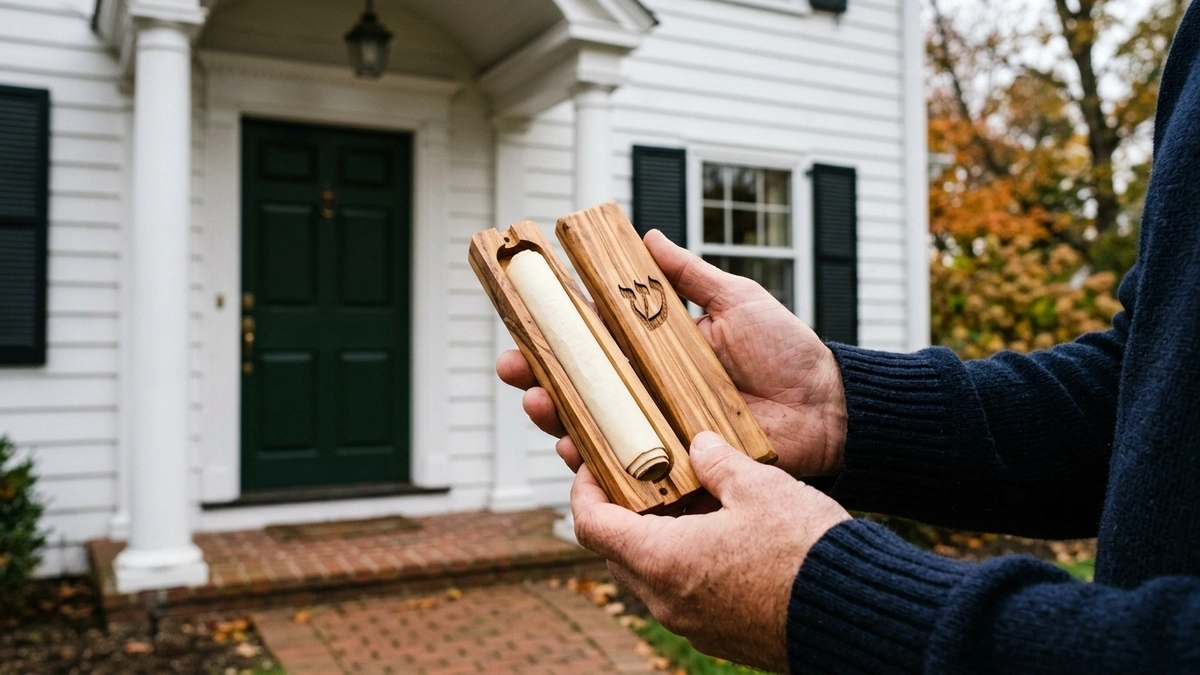
While the scroll itself is the halachic focus of the mitzvah, the case that protects it also deserves thoughtful consideration. The case shields the parchment from the elements and ensures that the mezuzah remains in good condition over time. Mezuzah cases are available in a wide variety of materials, including plastic, metal, wood, and glass.
For outdoor use, especially in a climate like Boston's, it is wise to choose a case that can withstand moisture, temperature fluctuations, and exposure to the elements.
- Plastic cases are lightweight and weather-resistant, making them a practical choice for exterior doorposts.
- Metal cases, particularly those made from aluminum or stainless steel, offer both durability and aesthetic appeal.
- Wooden cases can be beautiful but may require more maintenance in outdoor conditions, as wood is susceptible to warping and moisture damage over time.
- Glass cases are typically reserved for interior doorways, where they are protected from the weather.
Regardless of the material you choose, the case should fit the scroll snugly and be easy to open for periodic checking, as mezuzos should be inspected by a magiah every few years to ensure they have not degraded or been damaged.
Aesthetic Considerations
While the primary function of a mezuzah case is to protect the scroll, many families also appreciate cases that reflect the beauty and dignity of the mitzvah. A well-crafted case can enhance the entrance to your home and serve as a visible expression of your commitment to living according to Torah values. When selecting a case, consider the style of your home and the message you wish to convey. Some cases feature traditional designs with Hebrew letters or symbols, while others are modern and minimalist. The key is to choose a case that honors the mitzvah while also fitting naturally into the context of your doorway.
At Kosher Mezuzah, we offer a range of cases designed to meet both halachic and aesthetic needs, ensuring that your mezuzah is both protected and presented with the respect it deserves.
How Many Mezuzahs Does Your Boston Home Need
One common question among those preparing to buy a mezuzah in Boston is how many scrolls are actually required. The mitzvah of mezuzah applies to most doorways in a Jewish home, with certain exceptions outlined in halachah. Understanding these requirements will help you determine how many mezuzos you need and where they should be placed.
| Doorway | Mezuzah required? | Notes |
|---|---|---|
| Front entrance | Yes | Right side as you enter, upper third of the doorpost |
| Bedrooms | Yes | Includes children's rooms and guest rooms |
| Kitchen and dining room | Yes | If the room has a proper doorway |
| Living room and family room | Yes | Including archways without doors, ask your rav about width |
| Home office and study | Yes | Any room used for living purposes |
| Hallways and interior arches | Usually | Depends on structure, confirm with your rav |
| Garage | Depends | Based on use and connection to the house, ask your rav |
| Porch, deck, or balcony | Depends | Ask your rav |
| Bathrooms | No | Exempt |
| Small closets and pantries | Usually no | Exempt if under the minimum size, ask your rav |
According to the Shulchan Aruch, am ezuza his required on the doorpost of any room that meets three conditions: it has a doorway with a lintel and two doorposts, it is at least four amos by four amos in size, and it is used for dwelling purposes. This means that bedrooms, living rooms, dining rooms, and kitchens typically require mezuzos. Bathrooms, closets smaller than the minimum size, and storage rooms generally do not require mezuzos, though there are halachic nuances that may apply depending on the specific use of a space.
If you are unsure whether a particular doorway requires a mezuzah, it is always appropriate to consult your local rav. Many families are surprised to learn that their homes require more mezuzos than they initially assumed, and taking the time to walk through your home with halachic guidance ensures that you fulfill the mitzvah completely. For Boston residents preparing to affix mezuzos, we are available to answer questions and provide guidance, simply reach out to us for assistance.
Working with Your Local Rabbi
Throughout the process of selecting, purchasing, and affixing mezuzos, your local rav is an invaluable resource. A rav can answer questions about which doorways require mezuzos, inspect scrolls to confirm their kashrus, and guide you in the proper placement and berachah. In a city like Boston, where there are many shuls and rabbo nim serving diverse communities, you have access to halachic guidance that can help you navigate the complexities of the mitzvah with confidence.
If you have purchased a mezuzah and are uncertain about its kashrus, your rav may be able to inspect it or recommend a qualified sofer or magiah who cane valuate the scroll. If you are preparing to affix mezuzos for the first time, your rav can walk you through the process and ensure that you recite the berachah at the appropriate time.
If you have questions about when mezuzos should be checked or whether a particular doorway requires a scroll, your rav's guidance is both halachically authoritative and personally tailored to your situation. The mitzvah of mezuzah is one that connects us to generations of Jewish practice, and involving your rav in the process ensures that you fulfill the mitzvah properly. For those who do not yet have a relationship with a local rav, reach ing out to a synagogue in the Brookline or greater Boston area is a meaningful first step.
Which Mezuzah Scroll Is Right for Your Boston Home?
Kosher Mezuzah writes three scroll styles, and each ships to Boston with full documentation from an OU Endorsed writing and checking process. The Sefardi mezuzah scroll follows the ksav used in Sephardic and Mizrachi communities. The Ashkenaz Beis Yosef mezuzah scroll is the standard for most Ashkenazi homes. The Arizal mezuzah scroll follows the script favored in Chassidic communities. Each is available in 4.7 inch and 5.9 inch sizes across several quality tiers. If you are unsure which script matches your family's minhag, ask your rav, or contact us and we will help you choose.
Conclusion
The decision to buy a mezuzah in Boston is not merely a practical task but a spiritual commitment to bring the presence of Hashem into your home. Whether you choose to visit a local mezuzah store in Boston or order from a documented online source, the essential question remains the same: does the mezuzah you select meet the halachic standards necessary to fulfill the mitzvah properly.
In a market that lacks uniform oversight, transparency and documentation become the tools that allow buyers to make informed choices. OU endorsement, named sofrim and magihim, and QR-b ased verification systems provide the accountability and assurance that many buyers seek.
At Kosher Mezuzah, we are committed to helping you fulfill this precious mitzvah with confidence, knowing that every scroll we provide has been written, checked, and certified according to the highest standards. May the mitzvah of mezuzah bring blessings and protection to your home, and may your doorposts serve as constant reminders of your connection to HaKadosh Baruch Hu and HisT orah.



.svg)
Bring a true Kosher Mezuzah into your home
Fulfill the mitzvah with confidence, beauty, and meaning.
Buy a Mezuzah