
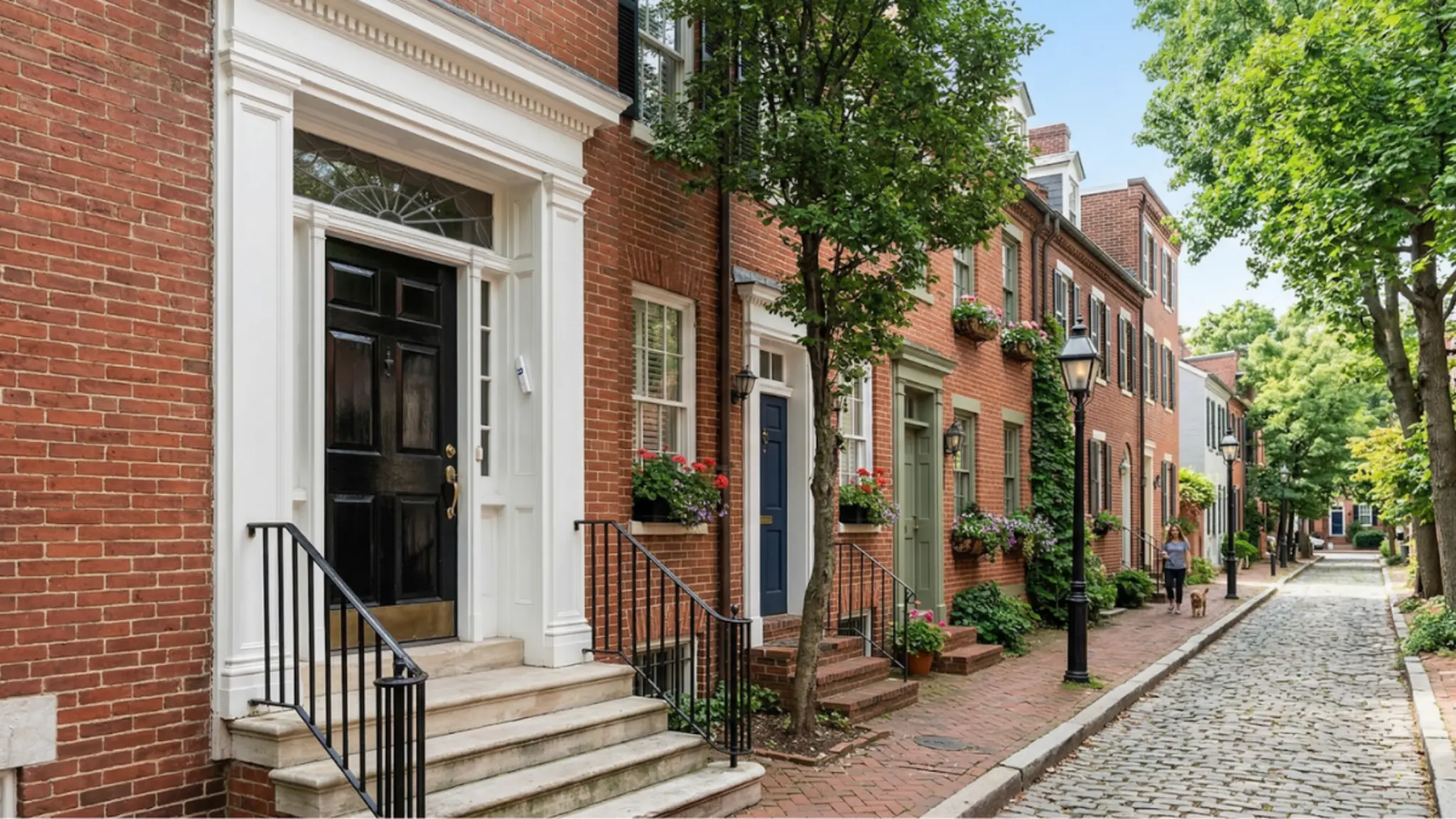
Buying a Mezuzah in Washington DC: A Guide for Jewish Families in Chevy Chase, Forest Hills, and Nearby Areas
Buy a mezuzah in Washington DC with confidence. Learn what makes a mezuzah kosher, what to ask local Judaica stores, and why certification, traceability, and halachic oversight matter.
Purchasing a mezuzah is not merely a transaction: it is a halachic responsibility and an opportunity to sanctify your home with this special mitzvah. Many families seek out local Judaica stores or synagogue gift shops to buy a mezuzah in Washington DC, yet few realize that not all mezuzahs meet the stringent halachic standards required for a kosher scroll. The market is largely unregulated, and even well-intentioned sellers may lack complete visibility into the provenance, materials, and checking process of each mezuzah they carry.
When you buy a mezuzah in Washington DC, whether from a neighborhood shop or a trusted online source, you deserve confidence that your scroll was written by a qualified sofer, checked by trained magihim, and documented to meet the halachic requirements set forth in Shulchan Aruch. At Kosher Mezuzah, we are dedicated to ensuring the proper fulfillment of the mitzvah of mezuzah through scrolls from our OU Endorsed process that offer transparency, traceability, and peace of mind.
Why Authenticity Matters When You Buy a Mezuzah
The Halachic Requirements for a Kosher Mezuzah
A kosher mezuzah scroll must satisfy intricate halachic criteria that extend far beyond surface appearance. The klaf, or parchment, must come from a kosher animal and be prepared according to strict specifications. The dio, or ink, must be applied by hand using a quill, and every letter must be formed with precise tzurat ha'ot, letter shape, and tagin, the small crowns that adorn certain letters. The sofer must write with kavanah, proper intent, and lishmah, for the sake of the mitzvah, at every stage. These requirements are not a checklist to be completed but an interdependent system in which even a subtle flaw in letter spacing, line sirtut, or the proper order of words can render the entire mezuzah pasul, or invalid. Buyers cannot reliably assess these elements by visual inspection alone, and many invalidating issues remain invisible to the untrained eye.
Common Pitfalls in the Mezuzah Market
Today’s mezuzah market operates without consistent, end-to-end oversight, creating gaps in accountability that can affect buyers across all purchasing channels. From production to final sale, there is often limited transparency about how a mezuzah scroll was written, handled, or verified.
As a result, some scrolls are printed rather than handwritten, while others may have been produced by individuals without proper training or recognized certification. In many cases, there is no clear system of traceability to confirm the scroll’s origin or halachic compliance.
Without reliable verification, buyers are left relying on assumptions that may or may not reflect halachic reality. Understanding the markers of authenticity therefore becomes not just a matter of preference, but of halachic responsibility.
This lack of clarity is not necessarily the result of dishonesty or negligence. Rather, it reflects a structural limitation within a market where mezuzahs often pass through multiple intermediaries before reaching the consumer, making oversight and accountability more difficult to maintain.
What to Look for in a Washington DC Mezuzah Store
The Washington DC area's frum community is spread across the District and its suburbs. Kemp Mill and White Oak in Silver Spring have the densest concentration of Orthodox shuls, day schools, and kosher shopping, followed by Potomac and Wheaton in Montgomery County. In the District itself, Georgetown and the Kesher Israel area serve a smaller but active community, and Northern Virginia families in Fairfax and Arlington often travel into Maryland for Judaica. Baltimore's Park Heights neighborhood, about an hour away, has several seforim stores that many DC families use as well.
Certification and Rabbinic Oversight
When you evaluate any mezuzah source, whether a local Judaica store or an online vendor, the presence of recognized certification should be among your first considerations. The Orthodox Union provides kosher supervision for food products and has extended that rigorous oversight to STaM, including mezuzahs, to address the lack of standardized accountability in the market.
OU endorsement for mezuzahs designated a process that includes vetting sofrim, verifying materials, and ensuring that each stage of writing and checking complies with halachic guidelines. This level of oversight ensures that the mezuzah you purchase has been held to consistent standards from the sofer's quill to your doorpost. The OU endorsement program is a tool that addresses the inherent uncertainty in a largely unregulated market and provides halachic confidence to consumers that their mitzvah is properly fulfilled.
Transparency: Named Sofer and Magiah
Many retail Judaica stores, even those that are reputable and community-trusted, purchase mezuzahs from wholesalers or distributors and may not have immediate access to documentation that includes the name of the sofer and checker, date it was completed, and level of writing. This reflects the structure of retail distribution rather than any shortcoming on the part of stores. But, the absence of named individuals and verifiable credentials introduces an informational gap that buyers cannot easily bridge on their own. When a mezuzah comes with clear identification of its sofer and magiah, that transparency supports your need to fulfill the mitzvah with confidence and care.
Verification Systems and Traceability
In recent years, technology has begun to play a meaningful role in addressing the traceability challenge. Some verified mezuzah providers now use QR codes or tamper-evident packaging to link each scroll to a digital record that includes the sofer's name, the magihim's names, the date of writing, and a photograph of the actual scroll. This system extends traditional rabbinic oversight rather than replacing it, offering buyers instant access to information that would otherwise require direct contact with the sofer or certifying body. When you buy a mezuzah with documented verification, you are not relying on assumptions or marketing language alone. You are able to see a clear chain of accountability — who wrote it, who inspected it, when it was completed, and what the actual scroll looks like.
Where to Buy Mezuzah in Washington DC
Local Judaica Stores and Synagogue Gift Shops
Washington DC is home to several Judaica retailers and synagogue gift shops that serve the local Jewish community with a range of religious items, including mezuzahs and cases. These stores play an important role in making Jewish ritual objects accessible and providing a tangible, in-person shopping experience for families preparing their homes. Below is an overview of local Judaica sources in the Washington DC area, provided for informational purposes only. Inclusion in this list does not constitute endorsement or critique of any particular store.
Adas Israel Sisterhood Gift Shop in Forest Hills, Washington, DC carries a range of Judaica, including mezuzos and Mezuzah cases. In Cathedral Heights, the Washington Hebrew Congregation Judaica Shop is another source for Judaica items, with mezuzos and cases available as well. Temple Sinai Judaica Shop in Chevy Chase is also worth considering for shoppers looking for mezuzos, cases, and other Judaica essentials.
It is worth noting that local Judaica stores typically sell mezuzahs that have been written and checked by others, often through wholesale distribution channels. As a result, documentation such as the sofer's name, the magiah's credentials, and the date of writing may not accompany each scroll at the point of sale. This is a structural reality of retail distribution, not a reflection of the store's integrity or commitment to quality. Buyers who wish to obtain full end-to-end verification may need to ask specific questions or seek out sources that provide certification and traceability as part of the standard purchasing process.
Trusted Online Sources Serving the Washington DC Area
For many families, ordering a mezuzah in Washington DC and beyond from a trusted, documented online source has become the wiser route to take in fulfilling this mitzvah with halachic confidence and accountability.
At Kosher Mezuzah, every scroll is handwritten in Israel by a vetted sofer, checked by trained magihim, and checked under our OU Endorsed process. Each mezuzah is packaged in a tamper-evident sleeve and includes a QR code linking to a digital record of its writing, checking, and materials.
This system ensures that your mezuzah is not only kosher in principle, but verifiable in practice. From the identity of the scribe to the inspection record and materials used, every stage of the process is documented and accessible.
Rather than asking customers to rely on trust alone, Kosher Mezuzah provides visible proof of halachic compliance and professional oversight. The result is greater transparency, stronger accountability, and the peace of mind that the mezuzah affixed to your doorway meets the highest standards of Jewish law.
In a mitzvah as central as placing a mezuzah on one’s home, clarity matters. This approach allows you to fulfill that obligation with confidence, reverence, and complete assurance.
How Many Mezuzahs Does Your Washington DC Home Need?
The number of mezuzahs required for your home depends on the number of doorways that meet the halachic criteria for requiring a mezuzah. According to Shulchan Aruch, a doorway obligated in the mitzvah must have two doorposts, a lintel overhead, and serve as an entrance to a room that is at least four amos by four amos in size, approximately six feet by six feet. Most homes require a mezuzah at the front entrance and at the doorways to bedrooms, living rooms, dining rooms, and finished basements. Bathrooms, small closets, and storage spaces are generally exempt, though there are differences in custom and practice that should be discussed with your rav. A typical single-family home may require six to twelve mezuzahs, while an apartment may require fewer.
| Doorway | Mezuzah required? | Notes |
|---|---|---|
| Front entrance | Yes | Right side as you enter, upper third of the doorpost |
| Bedrooms | Yes | Includes children's rooms and guest rooms |
| Kitchen and dining room | Yes | If the room has a proper doorway |
| Living room and family room | Yes | Including archways without doors, ask your rav about width |
| Home office and study | Yes | Any room used for living purposes |
| Hallways and interior arches | Usually | Depends on structure, confirm with your rav |
| Garage | Depends | Based on use and connection to the house, ask your rav |
| Porch, deck, or balcony | Depends | Ask your rav |
| Bathrooms | No | Exempt |
| Small closets and pantries | Usually no | Exempt if under the minimum size, ask your rav |
Walking through your home room by room and noting each qualifying doorway is the most reliable way to determine your needs. Kosher Mezuzah offers guidance and resources to help you conduct this assessment with clarity and confidence, ensuring that no doorway requiring a mezuzah is overlooked.
Choosing the Right Mezuzah Case for Your Doorpost
Material and Durability Considerations
A mezuzah case serves a protective function and must shield the scroll inside from moisture, temperature extremes, and physical damage. For exterior doorways, especially in climates with humidity or seasonal weather changes, a durable, weather-resistant case made of metal, sealed plastic, or treated wood is essential. Interior doorways may accommodate decorative materials such as ceramic, glass, or resin, which offer aesthetic appeal while maintaining protection. The case must be properly sealed to prevent water infiltration, as even minor moisture exposure can cause ink to run or parchment to warp, rendering the scroll pasul. When selecting a case, consider both the environment in which it will be placed and the long-term care required to maintain the integrity of the scroll inside.
Style and Aesthetic
While halachic function takes precedence, the appearance of a mezuzah case is also meaningful. The mezuzah on your doorpost is a visible symbol of your commitment to Hashem and the sanctity of your home. Many families choose cases that reflect their personal taste, cultural heritage, or the architectural style of their dwelling. Simple, elegant designs in brushed metal or wood are popular for both traditional and contemporary homes, while hand-painted or artisan-crafted cases offer a personal touch that honors the mitzvah. The choice of style is yours to make, provided the case fulfills its primary purpose: protecting the kosher scroll within and allowing it to remain legible and halachically valid for years to come.
Questions to Ask Before You Purchase
Before you buy a mezuzah, whether from a Washington DC mezuzah store or an online provider, there are several questions that can help you assess the halachic integrity and transparency of the source. First, ask whether the mezuzah comes from a seller endorsed by a recognized authority such as the OU, and request documentation of that endorsement. Second, inquire about the identity of the sofer who wrote the scroll and the magiah who checked it: a reputable source will provide names and credentials. Find out whether the mezuzah comes with any form of traceability, such as a QR code or certificate, that links the physical scroll to verifiable records. These questions are not adversarial: they are a natural expression of your responsibility to fulfill the mitzvah properly. A trustworthy seller will welcome them and provide clear, substantive answers. If a seller cannot or will not answer these questions, that uncertainty itself is valuable information.
Which Mezuzah Scroll Is Right for Your Washington DC Home?
Kosher Mezuzah writes three scroll styles, and each ships to Washington DC with full documentation from an OU Endorsed writing and checking process. The Sefardi mezuzah scroll follows the ksav used in Sephardic and Mizrachi communities. The Ashkenaz Beis Yosef mezuzah scroll is the standard for most Ashkenazi homes. The Arizal mezuzah scroll follows the script favored in Chassidic communities. Each is available in 4.7 inch and 5.9 inch sizes across several quality tiers. If you are unsure which script matches your family's minhag, ask your rav, or contact us and we will help you choose.
Conclusion
The mitzvah of mezuzah is precious, and the halachic requirements that govern it are both intricate and exacting. In a market that lacks uniform oversight, buyers bear a responsibility to seek out sources that provide transparency, certification, and accountability. Whether you choose to visit a local Judaica store in Washington DC or order from a trusted online provider, the key distinction lies not in the mode of purchase but in the halachic integrity of the scroll itself.
At Kosher Mezuzah, we are committed to ensuring that every mezuzah meets the highest standards of kashrus, from the sofer's quill to your doorpost. We invite you to explore our selection of mezuzahs from our OU Endorsed process or contact us for guidance as you prepare your home to fulfill this mitzvah with confidence and care.
May the mezuzos on your doorposts serve as a constant reminder of Hashem's presence, bringing kedushah, protection, and blessing to your household for generations to come.

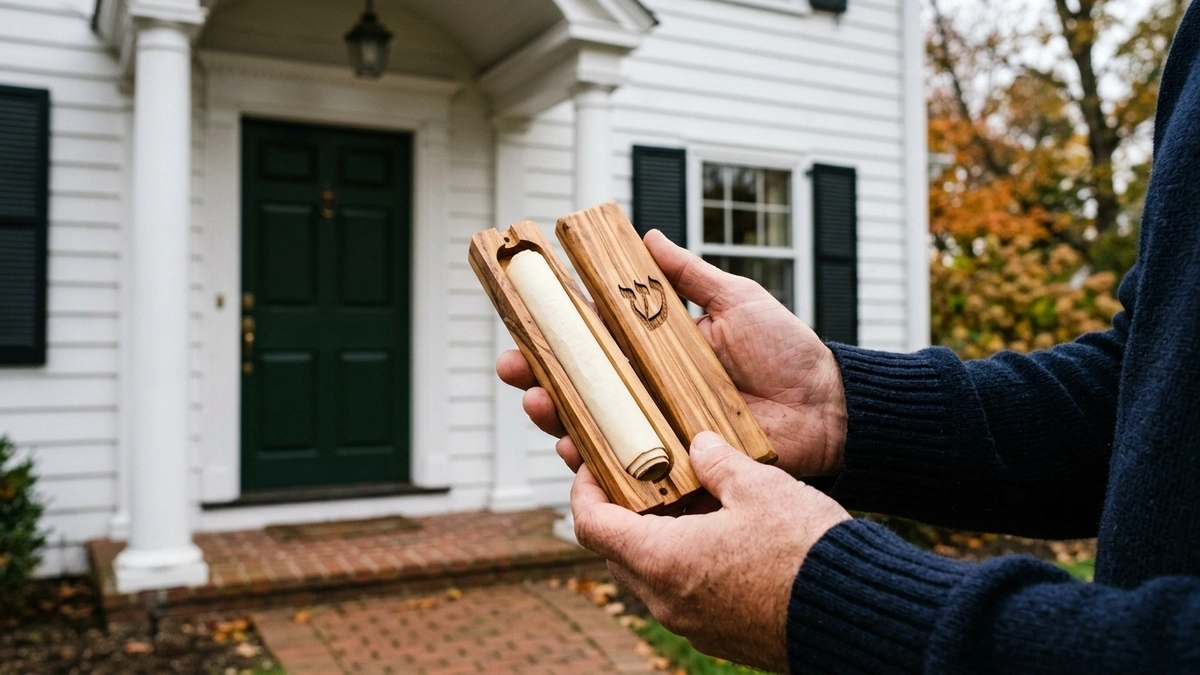


.svg)
Bring a true Kosher Mezuzah into your home
Fulfill the mitzvah with confidence, beauty, and meaning.
Buy a Mezuzah