
How Many Doorways Need a Mezuzah? A Practical Halachic Guide
Most doorways in a Jewish home require a mezuzah, including room entrances and many interior doorways. However, certain spaces—such as bathrooms, small closets, or doorways without proper doorposts—may be exempt depending on their use, size, and structure. Because mezuzah placement depends on halachic details, this guide explains the most common cases and helps you determine how many mezuzahs you likely need.
Why Mezuzah Placement Is Not Always Obvious
Many people are surprised to learn that mezuzah placement is more complex than simply putting one on the front door. A typical home may require mezuzahs on many more doorways than expected—and determining exactly which ones can be confusing.
Interior rooms often require mezuzahs. The layout of your home matters. Apartments and houses have different considerations. Older homes may have unusual doorway configurations. And certain spaces that seem like they should need a mezuzah may actually be exempt—while others that seem optional may be required. See also Do Guest Rooms Need a Mezuzah? A Clear Halachic Guide.
This guide will help you understand the general principles so you can make an informed estimate. For specific questions about your home, consulting a rabbi who can assess your particular situation is always appropriate.
Which Doorways Usually Require a Mezuzah
The mitzvah of mezuzah applies to doorways of rooms where people live and spend time. This includes most of the main spaces in a typical home.
Doorways that generally require a mezuzah include:
- Front door / main entrance: This is the most well-known location and almost always requires a mezuzah.
- Bedrooms: Each bedroom doorway typically requires its own mezuzah.
- Living rooms and family rooms: Rooms where the family gathers generally require mezuzahs.
- Kitchen: The kitchen doorway usually requires a mezuzah.
- Dining room: If separate from the kitchen or living area, this typically requires a mezuzah.
- Home office or study: Rooms used regularly for work or learning generally require mezuzahs.
- Finished basement: If used as living space, basement doorways often require mezuzahs.
- Guest rooms: Rooms designated for guests typically require mezuzahs.
The key principle is that rooms where people live, eat, sleep, or spend meaningful time generally require a mezuzah on their doorway.
Doorways That Often Do Not Require a Mezuzah
Not every doorway in a home requires a mezuzah. Certain spaces are often exempt based on their use, size, or structure. Understanding these exemptions can help you avoid unnecessary purchases while ensuring you fulfill the mitzvah properly.
Doorways that are often exempt include:
- Bathrooms: Bathrooms are generally exempt from the mezuzah requirement due to the nature of their use.
- Small closets: Closets that are used only for storage and are smaller than the required floor area are often exempt: the shiur is the area of 4 amot by 4 amot - roughly 6.5 to 8 feet on a side - and a room containing that area is obligated even if it is long and narrow, round, or irregularly shaped (Shulchan Aruch, Yoreh Deah 286:13).
- Utility rooms: Laundry and utility rooms are generally obligated if they meet the size requirement; storage use alone does not exempt them.
- Garage: A garage of the required size is generally obligated - the Shulchan Aruch rules that wood sheds, barns, and storerooms require a mezuzah (Yoreh Deah 286:2) - though practice varies and some affix without a bracha; ask your rav.
- Temporary structures: Structures not intended for permanent dwelling, like a sukkah during Sukkos, generally do not require mezuzahs (Yoreh Deah 286:11).
These exemptions depend on specific halachic criteria. If you are unsure whether a particular space in your home is exempt, it is worth asking a rabbi for guidance - and see which doorways are actually exempt for the full list.
What About Doorways Without Doors?
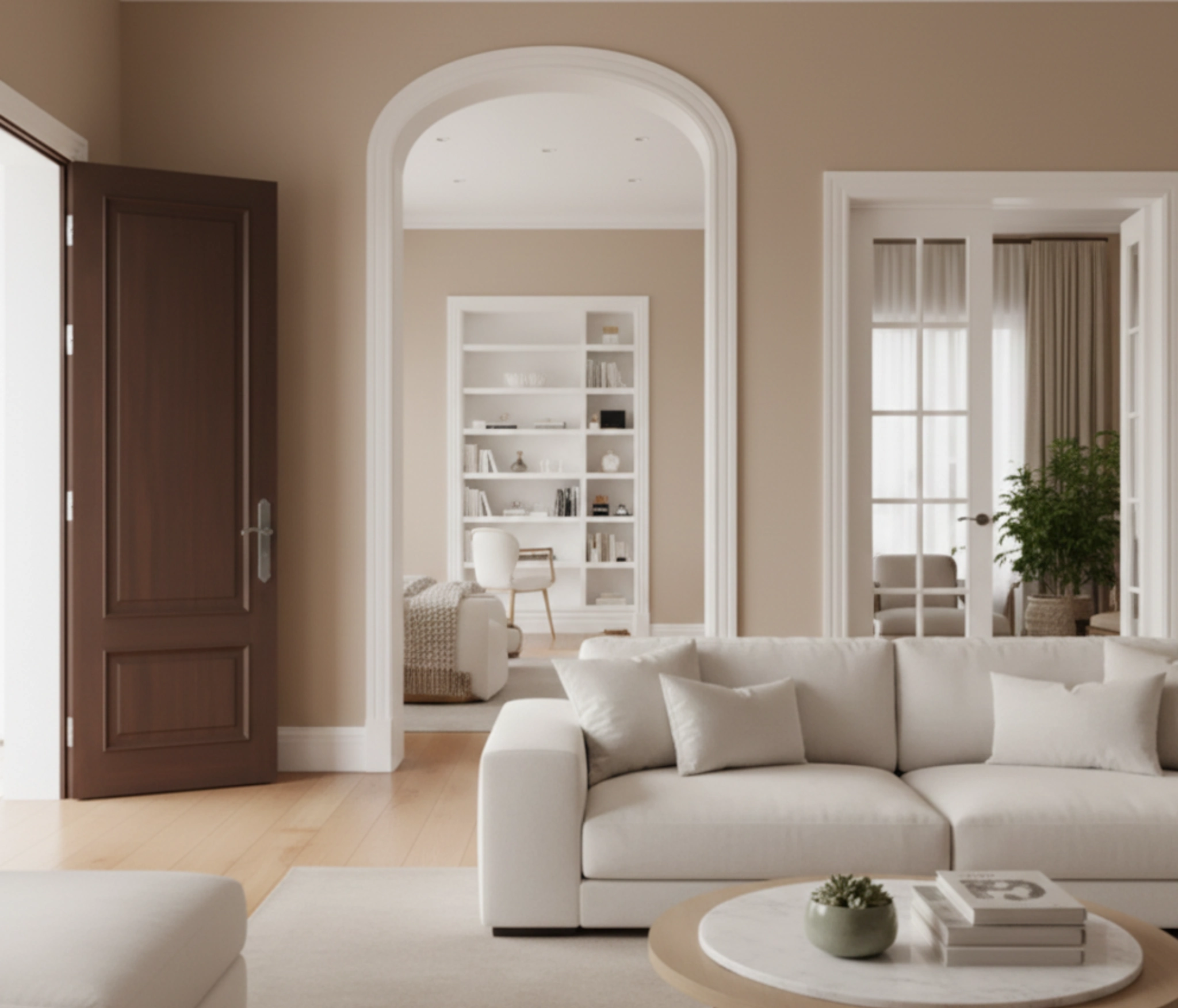
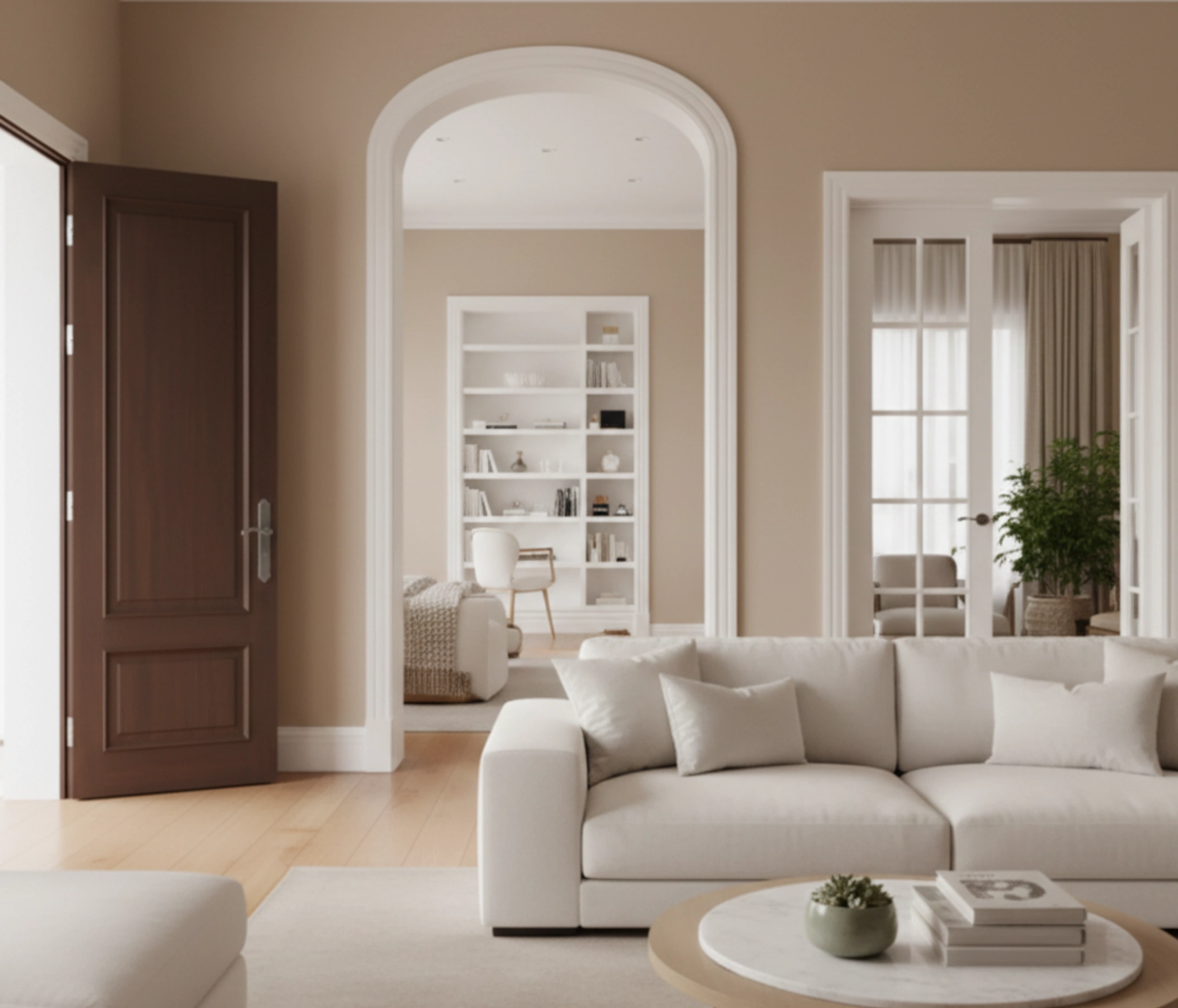
One of the most common questions about mezuzah placement involves doorways that have no actual door—just an opening between rooms, or an archway.
The general principle is that a mezuzah is required on doorways that have proper doorposts (two vertical posts on each side) and a lintel (a horizontal beam across the top). The Shulchan Aruch rules that a room is obligated even without doors, though some authorities exempt it - so an archway with posts and a lintel is generally obligated, and many affix there without a bracha (Yoreh Deah 286:15).
This means that many open archways and doorways without doors still require mezuzahs—as long as they have the basic structure of doorposts and a lintel. However, openings that lack this structure, or that are very wide without defined posts, may be exempt or require rabbinic guidance.
If you have open room transitions or archways, examine whether there are identifiable doorposts. When in doubt, consulting a rabbi can clarify what is required.
Apartments, Rentals, and Shared Spaces
The mitzvah of mezuzah applies to renters as well as homeowners. If you live in an apartment, you are generally required to put up mezuzahs on the doorways within your unit, just as you would in a house you own.
There are some nuances for rental situations. Outside Israel, a renter is exempt for the first thirty days; in Israel the obligation begins immediately, because of yishuv Eretz Yisrael (Shulchan Aruch, Yoreh Deah 286:22). What happens when you move out has its own rules. These are areas where consulting a rabbi can provide clarity for your specific situation.
Shared spaces—such as building hallways, common entryways, or shared laundry rooms—have their own considerations. In general, spaces that are shared with non-Jewish residents or that you do not control may have different requirements. Again, specific guidance is helpful for these situations.
A Simple Way to Estimate How Many Mezuzahs You Need
If you want a rough estimate of how many mezuzahs your home requires, a simple walk-through can help.
Start at your front door and walk through your home. Count each doorway that leads to a room where people live, eat, sleep, or spend time. Include bedrooms, living areas, kitchen, dining room, office, and similar spaces. Exclude bathrooms and small storage closets.
For a typical home, this might include: 1 front door + 3-4 bedrooms + 1 living room + 1 kitchen + 1 dining room + 1-2 additional rooms = approximately 8-12 mezuzahs. For a full room-by-room breakdown of which doors qualify, see our companion guide. Larger homes or homes with more defined rooms may need more.
If you are uncertain about specific doorways, it is better to include them in your count and then verify. Having an extra mezuzah available is easier than discovering you need one more after the fact.
When to Ask a Rabbi
This guide covers the most common scenarios, but mezuzah placement can involve details that require personal halachic guidance. There are many edge cases where the answer depends on the specific structure, use, or circumstances of a particular doorway.
Consider asking a rabbi if you have unusual doorway configurations or archways, rooms with unclear status (like a large walk-in closet or a basement that is partially finished), questions about shared spaces in an apartment building, situations involving moving in or out of a rental, or any doorway where you are simply unsure.
Asking a rabbi is not a sign of confusion—it is a sign of taking the mitzvah seriously. Rabbis are accustomed to these questions and can often provide clear guidance quickly.
Frequently Asked Questions
Do interior doors need mezuzahs?
Generally, yes. Interior doorways that lead to rooms where people live, sleep, eat, or spend time typically require mezuzahs. This includes bedrooms, living rooms, kitchens, and similar spaces. The mezuzah requirement is not limited to exterior doors.
Do bathrooms require mezuzahs?
No. Bathrooms are generally exempt from the mezuzah requirement due to the nature of their use. This is one of the most common exemptions.
What about closets?
It depends on the size and use. Small closets used only for storage are often exempt. Larger walk-in closets, especially those where a person might spend time (like a dressing room), may require a mezuzah. The specific dimensions and use matter, so when in doubt, ask a rabbi.
Do doorways without doors need mezuzahs?
Often, yes. The requirement depends on whether the doorway has proper doorposts and a lintel—not on whether there is an actual door. Many archways and open doorways still require mezuzahs if they have this basic structure.
Do renters need to put up mezuzahs?
Yes. The mitzvah of mezuzah applies to the person living in a home, whether they own it or rent it. Renters are generally required to put up mezuzahs on the doorways within their living space. There may be specific halachic considerations regarding timing and what happens when you move out—a rabbi can provide guidance.
Fulfilling the Mitzvah with Care
Understanding which doorways need a mezuzah helps ensure the mitzvah is fulfilled properly and with confidence. Taking the time to assess your home thoughtfully—and asking questions when needed—is part of honoring this sacred obligation.
At Kosher Mezuzah, we offer OU-endorsed scrolls in all three script traditions—Ashkenaz, Sefardi, and Arizal—so you can order exactly what your home needs. Whether you need one mezuzah or a dozen, each scroll is written by a vetted sofer in Eretz Yisrael and verified through our transparent checking process. If you have questions about how many mezuzahs you need or which script to choose, we're here to help you fulfill the mitzvah with confidence.


.svg)
Bring a true Kosher Mezuzah into your home
Fulfill the mitzvah with confidence, beauty, and meaning.
Buy a Mezuzah