

Mezuzah in Times of Crisis: What Halacha Teaches Us About Protection and Trust
When difficulty arrives, the mezuzah does not change — but understanding what it truly requires, and what it actually delivers, matters more than ever.
When crisis arrives — illness, loss, fear, or uncertainty — many of us find ourselves standing at the doorpost of our homes looking at the mezuzah. It is in these moments that we ask what the mezuzah actually promises, and what the Torah demands of us in return. The mezuzah in times of hardship is not superstition or sentiment. It is a halachic obligation with a precise set of requirements, and understanding what it actually demands of us, and what the Torah promises when we fulfill it properly, is what this article is about. Kosher Mezuzah is dedicated to ensuring the proper fulfillment of this mitzvah, and we are here to help you fulfill it with confidence and care.
Key Takeaways
- The mezuzah in times of crisis holds deep halachic significance — the Torah and Shulchan Aruch link careful fulfillment of this mitzvah with long life, and Chazal and the poskim describe it as a source of Hashem’s protection for those who dwell in the home.
- A mezuzah fulfills the mitzvah — and allows a person to connect to the blessings and protection described by the Torah and Chazal — only when the scroll inside is kosher, written with proper lishmah (intent), and affixed correctly on the doorpost according to halacha.
- Treating the mezuzah as a decorative talisman rather than a Torah obligation is a common mistake; the protection described by the Sages flows from genuine fulfillment of the mitzvah, not from the presence of any object
- The Shulchan Aruch requires mezuzos to be checked twice every seven years, and many poskim advise checking all mezuzos in the home when a family faces illness, loss, or ongoing hardship
- Purchasing mezuzah scrolls from unverified sources risks receiving machine-printed or uncertified scrolls that do not fulfill the mitzvah — sourcing from a vetted sofer and trained magiah is essential
- Because the mitzvah of mezuzah is fulfilled continuously, moment by moment, every kosher mezuzah properly affixed in the home represents a constant declaration of kedushah (holiness) for the entire household, especially in difficult times
Why the Mezuzah Is Remembered in Crisis
The mezuzah in times of crisis is remembered because the mitzvah itself was given by Hashem as a sign of His constant presence at the entrance of a Jewish home. When we face difficulty, we instinctively reach for what is permanent, real, and reliable. The mezuzah, when it is a kosher scroll written with proper lishmah, fixed correctly according to halacha, is precisely that. It is not merely a piece of parchment on the doorpost. The written declaration of Hashem's unity, fixed to the body of the home, renews the mezuzah's status as a reminder of kedushah with every entry and exit.
This does not mean the mezuzah functions as a charm or a guarantee. The Torah does not offer that framing, and neither do the halachic authorities. What the Torah offers is the fulfillment of a mitzvah that carries, when properly observed, a dimension of divine protection rooted in Hashem's ongoing relationship with the Jewish people. That distinction — between a fulfilled mitzvah and a physical object — is the most important thing a family can understand about the mezuzah in times of crisis.
What the Torah, Rambam, and Shulchan Aruch Teach
The source for the mezuzah's protection is not a folk tradition. The Tur and the Shulchan Aruch (Yoreh De'ah 285) state explicitly that one who is careful in this mitzvah, and his children, will merit long life for himself and his children. This is drawn directly from the Torah's words in Devarim 11:13-21. The Rambam (Mishneh Torah, Hilchos Tefillin, Mezuzah v’Sefer Torah 6:13) writes that whenever a person enters or exits his home and encounters the mezuzah, he is reminded of the unity of Hashem’s Name and His love, awakened from the errors and vanities of the moment, and taught that nothing truly endures except the knowledge of the Creator.
The Tur adds a dimension that speaks directly to why we turn to the mezuzah in crisis. He explains that Chazal describe the protection associated with mezuzah as greater even than its role in earning long life, because they portray it as Hashem Himself guarding His servants. The analogy the Tur takes comes from Shlomo HaMelech: a human king has guards who stand in front of him, protecting the king from danger that approaches from without. But Hashem's servants dwell inside, and He guards them from without. The mezuzah, fixed at the outermost point of the home, at the threshold facing the public domain, is called by the name of the doorpost because it becomes one with the doorpost. In this mashal, the mezuzah marks that Hashem guards from the outside, expressing that the entire home is under His care.
The Zohar in Parashas Va'eschanan elaborates: when the mezuzah is fixed at the entrance, the Holy One guards every going out and every coming in. When it is absent, there is no such shelter. In this way, a home with a mezuzah fixed according to halacha has Hashem’s Name written on the outer face of the parchment and the two parshiyos of Torah within, placing both the Name and the words of Torah at the very boundary of the house. These are not magic. They are the foundations of the practical halachic framework that we associate with the mitzvah's ongoing protection — and especially when times are hard.
What Halacha Requires for Ongoing Fulfillment of the Mitzvah
The mitzvah of mezuzah is fulfilled continuously, moment by moment, but only as long as the scroll inside is kosher. A scroll that has become passul (halachically invalid) — whether from cracking, fading, letters merging, or moisture damage — does not fulfill the mitzvah. The Gemara in Menachos records a dispute about exactly when the obligation begins, but all the authorities agree that a passul scroll does not fulfill the mitzvah. A family that has a beautiful case on its doorpost with an invalid scroll inside has a decorative object, not a fulfilled mitzvah.
This is why the Shulchan Aruch (Yoreh De'ah 291:1) requires that mezuzos be checked at least twice every seven years under ordinary circumstances, and more frequently when circumstances suggest it may be warranted. When a family faces illness, loss, or ongoing difficulty, many poskim advise checking the mezuzos in the home as part of healthy hishtadlus and cheshbon hanefesh — not as a guarantee of specific outcomes, but to ensure this basic mitzvah is being fulfilled properly. A mezuzah that has been hanging for years without inspection may have been passul for months or longer without anyone knowing. Checking is not a spiritual formality. It is the halachic mechanism by which a family ensures the mitzvah remains genuinely fulfilled. For a related question, see Mezuzah Anxiety and Trust in Mitzvot.
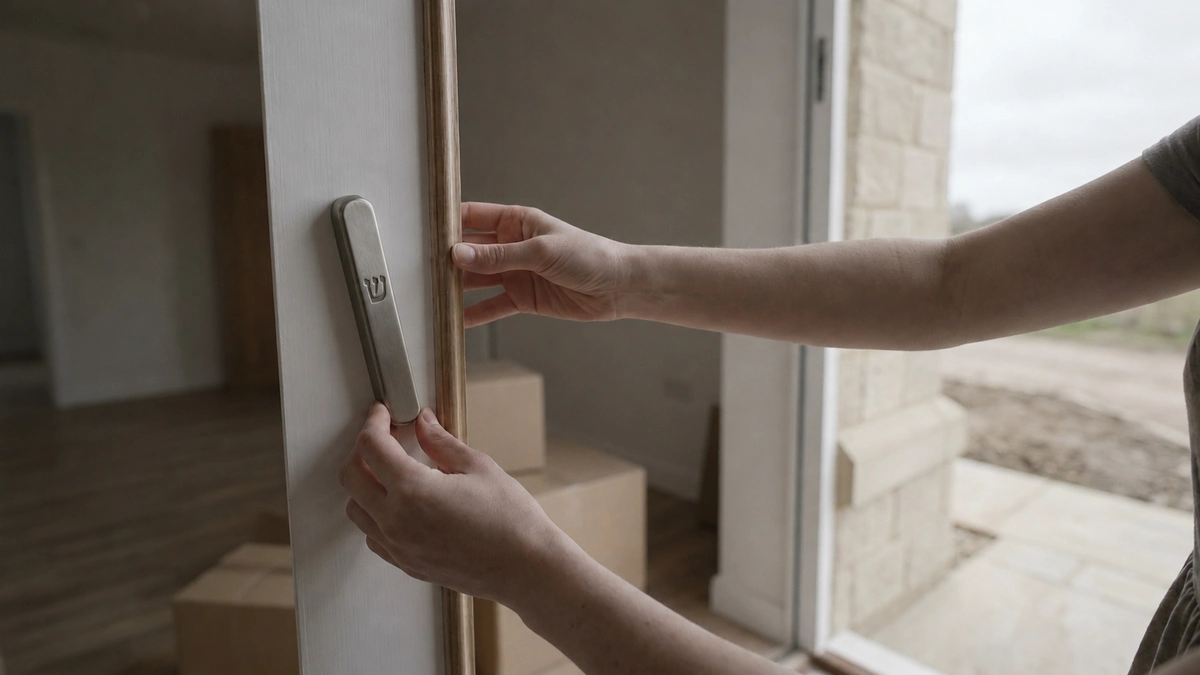
Beyond checking, the act of affixing a mezuzah properly, with correct kavvanah (intention) to fulfill the mitzvah, and with the recited bracha, is itself an act of ongoing connection to Hashem. Kosher Mezuzah ensures each mezuzah scroll meets the highest halachic standards, with every scroll written by a vetted sofer and reviewed by a trained magiah before it reaches your doorpost. As the most trusted kosher certification in the United States, the OU endorsement that covers every Kosher Mezuzah scroll provides the standard against which scrolls are measured.
Common Mistakes: What People Get Wrong in Difficult Times
The most common mistake made during a time of crisis is treating the mezuzah as a talisman rather than a mitzvah. People sometimes purchase a mezuzah case, hang it without a kosher scroll inside, and expect protection — but the Shulchan Aruch does not recognize this. The protection flows from the fulfillment of the mitzvah, not from the presence of a physical object. A mezuzah case that is not kosher is not fulfilling the mitzvah, and the blessings the Torah associates with this mitzvah are linked in Chazal and Shulchan Aruch to scrupulous observance.
A second error is purchasing a mezuzah scroll from an unverified source, particularly from online marketplaces where the origin and certification of scrolls are unclear. The risk of receiving a machine-printed scroll or an unchecked, unverified scroll is real and well-documented. Our guide on sourcing a mezuzah scroll from a verified seller who carries OU Endorsed writing and checking explains what to look for when finding a verified scroll.
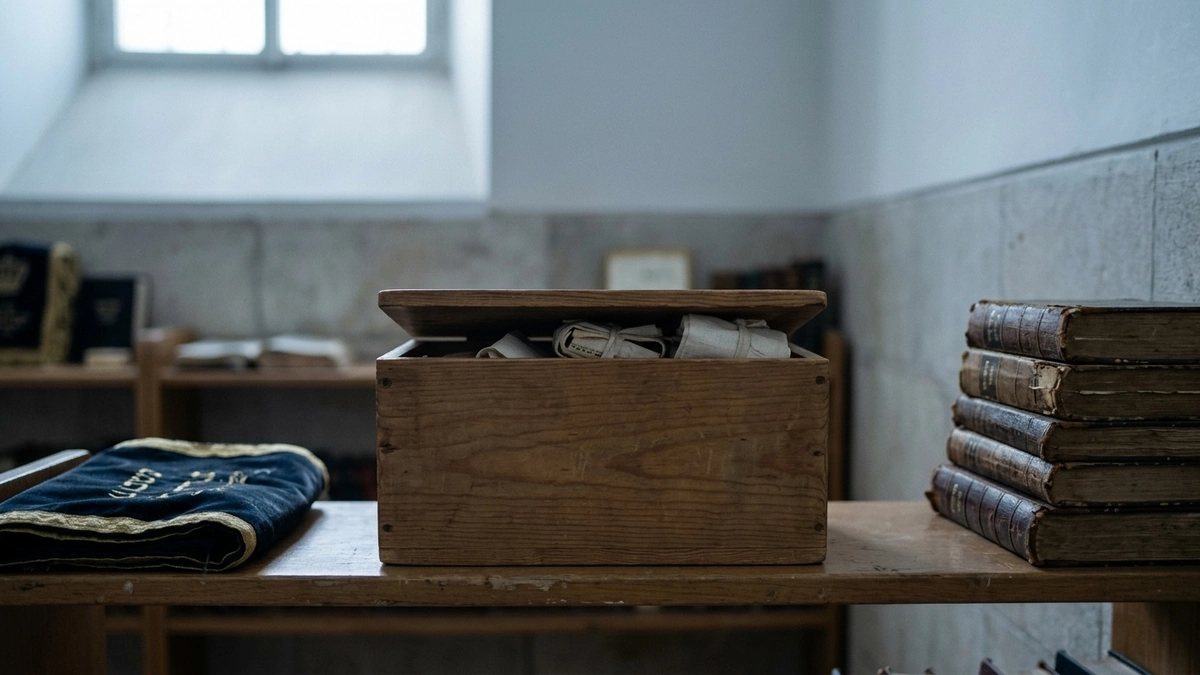
A third mistake is neglecting to check mezuzos that have been in place for many years. Letters can crack, become invalid, and a scroll that was once kosher may no longer be. Relying on an unchecked mezuzah during a period of difficulty, when proper fulfillment is most on one's mind, is a situation that can be rectified with a simple visit to a qualified sofer or magiah. Do not assume a mezuzah is still kosher simply because it was kosher when it was first affixed.
The Deeper Meaning: Why the Mezuzah Speaks to Us in Crisis
The Rambam's description of the mezuzah's effect — that it makes a person turn from his deep errors about the vanities of time — is particularly important when we are drawn to the mezuzah in hardship. In a moment of crisis, the mezuzah's protection is confused with what it says. The mezuzah, properly fulfilled, has always been pointing to exactly that reality: there is nothing permanent except the knowledge of the Ribbono Shel Olam.
The mitzvah of mezuzah is not an ornament or a custom. It is a Torah obligation that, when fulfilled according to halacha, represents a daily declaration of Hashem's kingship over the home and everyone within it. That declaration carries weight in every moment, and carries particular weight when life demands that we lean on it most. If you have questions about whether your mezuzos are properly checked or certified, you are welcome to contact us through the Kosher Mezuzah contact form for guidance on halachic standards and genuine care for proper fulfillment of the mitzvah.
Fulfill the Mitzvah With Confidence — Kosher Mezuzah
Kosher Mezuzah has been dedicated to ensuring the proper fulfillment of the mitzvah of mezuzah for over forty years. Every scroll is written by a vetted sofer who has passed a rigorous halachic examination, double-checked by two expert examiners, and OU-endorsed — so that when you affix a mezuzah in your home, you can do so knowing the obligation is being met at the highest standard. Each mezuzah comes with a unique QR code providing complete transparency: the sofer who wrote it, the examiners who reviewed it, the materials used, and when the scroll is next due for inspection. Kosher Mezuzah does not sell secondhand or returned scrolls. Every mezuzah that leaves the warehouse is new, certified, and ready to fulfill the mitzvah properly. To explore OU-endorsed mezuzah scrolls, visit kmezuzah.com/mezuzah-scrolls.
If you would like guidance on choosing a properly verified mezuzah scroll or having your current mezuzos checked, the Kosher Mezuzah team is available at kmezuzah.com/contact for assistance rooted in halachic standards and genuine care for the proper fulfillment of the mitzvah.
May the mitzvah of mezuzah bring blessings and protection to your home, and may Hashem guard your going out and your coming in, now and forever.


.svg)
Bring a true Kosher Mezuzah into your home
Fulfill the mitzvah with confidence, beauty, and meaning.
Buy a Mezuzah