

Why Mezuzah Prices Have Increased in Recent Years
Mezuzah prices have risen noticeably over the past several years, and many observant families are asking about the mezuzah price increase and what is driving today's mezuzah market price. Whether you are replacing a worn scroll, furnishing a new home, or purchasing a mezuzah as a gift, understanding why mezuzahs cost more helps you make a wise and halachically sound decision.
This article explains the real mezuzah cost factors today, from the labor of a qualified sofer (Torah scribe) to the rising cost of materials and certification requirements shaping kosher mezuzah price trends, so that you can fulfill this precious mitzvah with clarity and confidence
Why Are Mezuzahs More Expensive Today? (Mezuzah Price Increase Explained)
Mezuzah prices have increased significantly in recent years, and the reasons behind this mezuzah price increase are both practical and rooted in halacha. A kosher mezuzah scroll is not a printed product. It is a handwritten religious document that must meet exacting Torah standards from start to finish. When you understand what goes into producing a single kosher scroll, the current mezuzah market price begins to make sense, and so does the danger of purchasing one that is underpriced.
If you are in the process of purchasing scrolls for your home and want to understand what you are paying for, we encourage you to contact Kosher Mezuzah for guidance before you buy.
The Sofer's Labor Is the Foundation of the Cost
Every kosher mezuzah scroll must be written by hand by a sofer (Torah scribe) who has been trained in the laws of Stam, the specialized area of halacha governing Torah scrolls, tefillin, and mezuzahs. A sofer does not simply write letters. He must prepare himself spiritually before writing each scroll, pronounce the name of Hashem with proper intent before writing it, and adhere to hundreds of detailed laws governing the shape of each letter, the spacing between words, and the structure of the columns.
A single mezuzah scroll typically takes a trained sofer a minimum of three hours, possibly more, to write properly. That time does not include preparation, checking, or corrections.
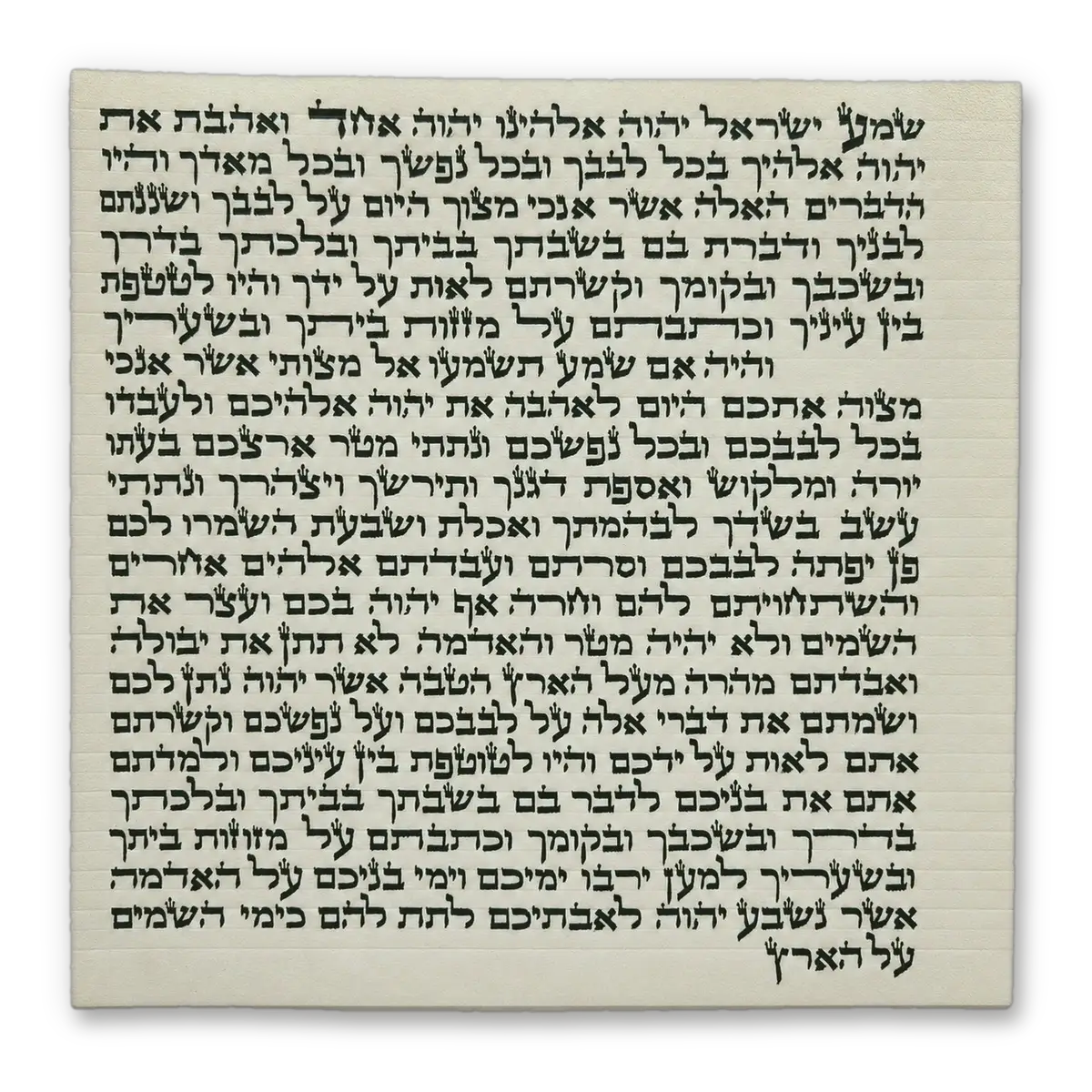
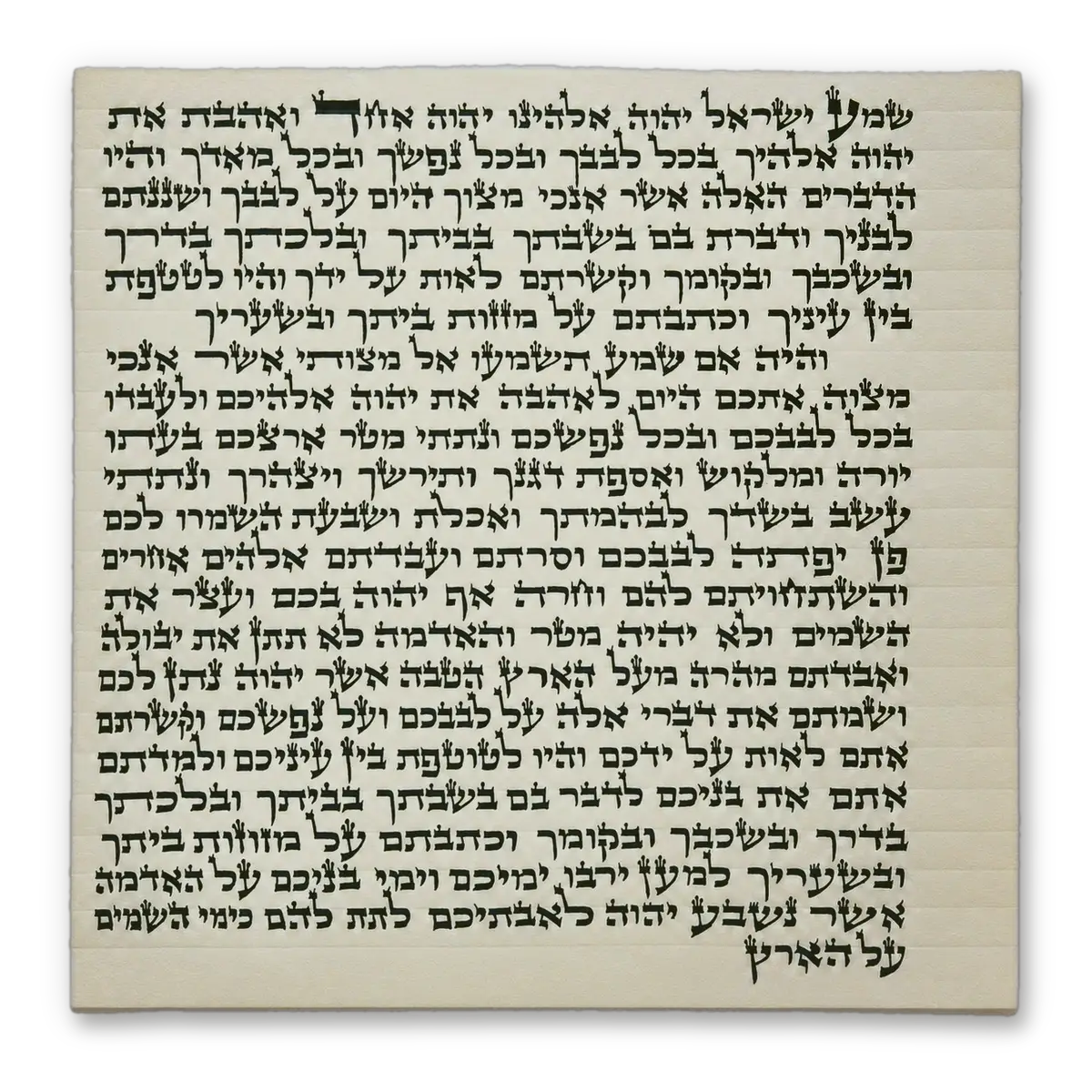
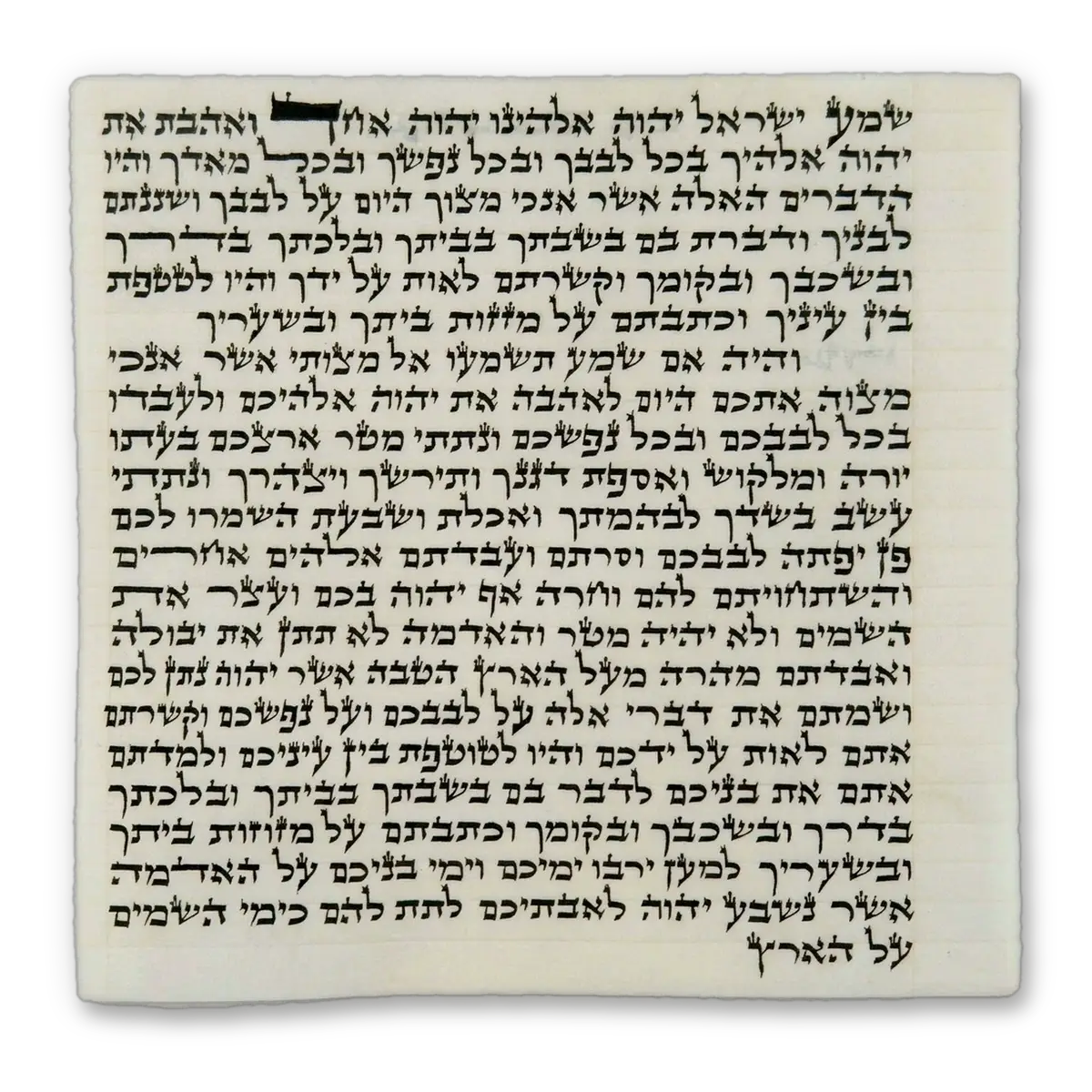
Choose Your Mezuzah Scroll
Each scroll is handwritten by a sofer on kosher parchment, following your minhag.
The Cost of Klaf Has Risen Sharply
A mezuzah must be written on klaf (parchment made from the skin of a kosher animal). This is not optional or interchangeable with paper or other materials. The use of klaf is a fundamental halachic requirement, and the quality of the klaf directly affects the kashrus and longevity of the scroll.
In recent years, the cost of high-quality klaf has risen substantially. Producing kosher parchment requires a specific preparation process carried out by a skilled craftsman called a klaf maker, and the animal hides themselves have become more expensive. The availability of premium-grade klaf, the kind that holds ink well and lasts for decades without cracking, has tightened in the global market. This increase in raw material costs flows directly into the price of every scroll written upon it.
Checking and Certification Add Essential Value
A mezuzah scroll must be checked by a magiah (halachic mezuzah examiner) before it is sold, and this verification process is a key part of why mezuzahs cost more today. The magiah reviews every letter of every word to confirm that the scroll is written correctly and that no letters are missing, touching each other, or malformed in a way that would invalidate the scroll. Many reputable sellers today use computer-assisted checking software plus human review, and that additional quality control adds to the final price.
Beyond the initial check, a truly trustworthy vendor will provide certification that traces the scroll back to a named sofer and named magiah. This level of accountability, knowing exactly who wrote and who checked a particular scroll, is part of what separates a reliable source from an unknown one. The mezuzah certification process is something every buyer should understand before making a purchase.
Mezuzah Inflation Is Real, and So Is the Risk of Cutting Corners
Mezuzah inflation is not simply a marketplace trend. It reflects the genuine cost of labor, materials, and oversight required to produce a scroll that is truly kosher. Unfortunately, when buyers encounter a very low price, they may be looking at a scroll that was written hastily, checked inadequately, or, in the worst cases, not handwritten at all. Printed or photocopied scrolls are pasul (invalid) and do not fulfill the mitzvah, no matter how they are packaged or marketed.
The general halachic rule is that one is not ordinarily required to spend more than a fifth of his assets in order to fulfill a positive mitzvah. At the same time, mezuzah is not a minor or one-time obligation; Chazal and later poskim treat it as an ongoing mitzvah of real significance. Practically, that means a mezuzah should not be chosen on price alone. The central concern is whether the scroll is kosher and reliably written, so cost savings should never come at the expense of halachic validity.
It is also worth noting what the Talmud Yerushalmi records: when Artaban sent Rabbi Judah HaNasi a priceless pearl and asked for something of equal value in return, Rabbi sent him a mezuzah. When Artaban expressed surprise at receiving something worth so little in monetary terms, Rabbi replied that the mezuzah guards its owner while he sleeps, something no pearl can do. The value of a kosher mezuzah has never been measured in coins alone.
Practical Guidance for Today's Buyer
When you are shopping for a mezuzah scroll, here is what to keep in mind. First, price is a signal. A scroll priced significantly below market rate should prompt questions, not celebration. Second, ask who wrote the scroll and who checked it. A reputable seller should be able to tell you the name of the sofer and magiah, the date of writing, and the type of klaf used. Third, understand that a mehudar (beautified) scroll, one written with particular care, skill, and attention to the aesthetic beauty of the letters, will cost more, and that cost reflects genuine halachic and spiritual value.
The Talmud (Shabbat 133b) records that a person is obligated to beautify their mitzvot, fulfilling the verse, "This is my God and I will beautify Him." The sages list making beautiful tzitzit and a beautiful Torah scroll as examples, and this principle of hiddur mitzvah applies equally to a mezuzah. Seeking a scroll that is written with care and skill is not a luxury. It is an expression of how we honor the mitzvah.
For families furnishing a home or apartment with multiple doorways, the cumulative cost can feel significant. We encourage you to browse our full selection of kosher mezuzah scrolls to find options that match both your halachic requirements and your budget, with full transparency about what you are purchasing.
How to Decide Whether to Pay More for a Mehudar Mezuzah
The first question is not whether a more expensive mezuzah is more mehudar, but whether the less expensive one is reliably kosher in the first place. If a mezuzah comes from an uncertain source, has weak checking standards, or is being sold without clear confidence in the sofer and the supervision behind it, then the issue is no longer merely one of hiddur. In that case, paying more may be necessary simply to ensure that one is fulfilling the mitzvah properly.
If both mezuzot are genuinely kosher and come from reliable sources, then the question becomes one of hiddur mitzvah. A person is certainly encouraged to honor a mitzvah with greater care and beauty, and that can include choosing a scroll with stronger scribal standards, better oversight, or more careful checking. At the same time, halachah does not treat every possible upgrade as an absolute obligation. The decision depends on what the higher price is actually buying, how large the price difference is, and whether paying more would create meaningful financial strain.
Practically speaking, the right approach is to give priority to reliability before refinement. If the additional cost secures a mezuzah of greater trustworthiness and halachic quality, that extra expense is often justified. If, however, the less expensive mezuzah is already clearly kosher and dependable, then paying more for a more mehudar option is best understood as an admirable enhancement rather than an automatic requirement.
Why Kosher Mezuzah Upholds the Highest Standards for Mezuzah Scrolls
At Kosher Mezuzah, everything begins with one core commitment: enabling the mitzvah of mezuzah to be fulfilled in the most halachically reliable and elevated way possible. For over 40 years, we have produced handwritten mezuzah scrolls in Eretz Yisrael under full OU supervision, maintaining exceptionally high standards of kashrus at every stage. This ensures that each mezuzah is not only authentic, but carefully prepared and verified according to established halachic requirements.
Each scroll begins with a vetted sofer in Israel, writing on high-quality kosher parchment using halachically approved ink and materials. The writing is done with focused intent, letter by letter, in accordance with traditional scribal standards.
Once completed, every mezuzah enters a multi-stage verification process. Advanced scanning software is used to detect missing or malformed letters, followed by two separate rounds of expert review to evaluate letter formation, spacing, and overall halachic integrity.
To further ensure transparency and traceability, each mezuzah is assigned a unique QR code that confirms its production and verification history.
Kosher Mezuzah does not work with mass-produced scrolls or unverified supply chains. Every mezuzah is fully handwritten in Israel by vetted sofrim, continuing a tradition of mesorah passed down through generations.
Our standard is simple and unwavering: kosher, authentic, and verified.
From the initial parchment preparation through final inspection and release, every step is governed by strict halachic oversight to ensure each mezuzah meets the highest level of reliability for fulfilling the mitzvah.
Fulfilling the Mitzvah With Confidence Through Kosher Mezuzah
At Kosher Mezuzah, every scroll we offer comes with full traceability, the name of the sofer who wrote it, the name of the magiah who checked it, the date of writing, and the materials used. This level of documentation is not standard across the industry, and we believe it should be. The Orthodox Union (OU) endorses Kosher Mezuzah as a trusted source, and that endorsement reflects our commitment to halachic integrity at every step.
We also strongly encourage every customer to have their mezuzah scrolls checked by a qualified magiah twice every seven years, as halacha requires. Scrolls can fade, crack, or develop invalidating defects over time, and a scroll that was kosher when purchased may not remain so indefinitely. Proper checking is part of fulfilling the mitzvah, not just the purchase. If you have questions about the kashrus of a scroll you already own, or if you are unsure which type of scroll is right for your doorway, please contact Kosher Mezuzah, we are here to help you fulfill this mitzvah with clarity and care.
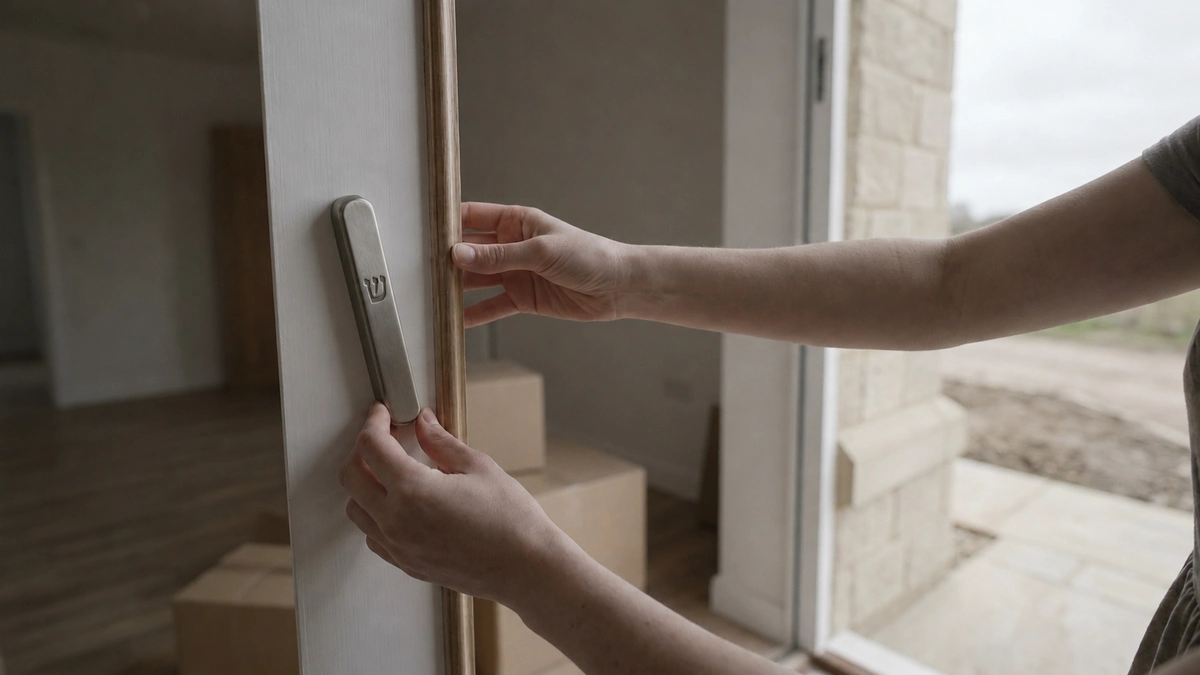
May the mezuzah on your doorpost be a source of protection and blessing for your home and family. יהי רצון שתשרה שכינה בביתך, May it be the will of Hashem that the Divine Presence dwell in your home.


.svg)
Bring a true Kosher Mezuzah into your home
Fulfill the mitzvah with confidence, beauty, and meaning.
Buy a Mezuzah