

Can You Open a Mezuzah Case to Check the Scroll Inside?
A mezuzah case protects the scroll inside it, but from time to time a person may wonder whether the scroll should be checked. Maybe the case was damaged. Maybe the mezuzah has been exposed to heat, moisture, or age. Maybe it has simply been many years since it was last inspected.
The short answer is yes: if there is a real need, you may open a mezuzah case to inspect the scroll inside. But it should be done carefully, without casual handling, and with the understanding that a home look is not the same as a proper examination by a qualified professional.
This article explains what you can do yourself, what you should avoid, and when the right next step is to bring the mezuzah to a trained examiner.
Can You Open a Mezuzah to Check the Scroll?
Yes. There is no general prohibition on opening a mezuzah case when there is a genuine need to check what is inside. In fact, mezuzos are meant to be checked periodically, because a scroll can deteriorate over time.
. For a related question, see Can You Reuse an Old Mezuzah Case? What to Check First.
At the same time, opening the case should not be treated casually. The scroll inside is sacred, handwritten text. The goal is not to handle it more than necessary, but to protect it and confirm that the mitzvah is still being fulfilled properly.
If you are opening the case only because you are curious, it is usually better to leave it alone. If you are opening it because of age, visible damage, water exposure, heat exposure, or concern that the mezuzah may no longer be kosher, since a mezuzah may become invalid without any visible damage, and then checking it is reasonable.
How Carefully Should the Scroll Be Handled?
Very carefully.
The classical halachic instruction about careful handling is strongest in the case of a Sefer Torah. Shulchan Aruch codifies that a Sefer Torah is not to be held with bare hands. This teaches that the Torah scroll is not handled in an ordinary way. Its sanctity requires a barrier between the hand and the scroll itself, and the entire manner of handling must reflect reverence, deliberateness, and avoidance of unnecessary contact.
When it comes to other sacred writings, the classical sources are more measured. The practical takeaway is that the mezuzah scroll should not be handled in a casual way, and unnecessary direct contact should be avoided.
If you need to touch the parchment at all, do so as little as possible and only with clean hands. The reason is simple: the ink and parchment are delicate, and careless contact can damage the scroll over time.
That means:
- do not handle the klaf unnecessarily,
- do not open it repeatedly just to take a look,
- do not touch the writing more than needed,
- do not place it on a dirty or damp surface,
- and do not force it open if it feels stiff or brittle.
If the scroll does not come out easily, or if it resists unrolling, stop there and let a professional examine it.
What You Can Check at Home
A basic home inspection can sometimes identify obvious problems.
If you open the case, you can look for visible warning signs such as:
- moisture damage,
- cracked or brittle parchment,
- flaking or faded ink,
- tears,
- warping,
- or any section that looks unusually worn or darkened.
That kind of quick visual check can be useful. But it is only a limited check.
Many defects that make a mezuzah invalid are not obvious to an untrained eye. A letter may still be present but no longer have the correct form. Small breaks, cracks, or distortions can matter halachically even when the scroll still looks fine to a homeowner.
So if the question is, "Can I look inside?" the answer is yes.
If the question is, "Can I decide on my own that the mezuzah is definitely kosher?" the answer is no.
What To Do If You Open the Case
If you decide there is a real reason to inspect the mezuzah, follow a careful approach:
- Wash and dry your hands first.
- Open the case gently.
- Remove the scroll only if necessary.
- Avoid touching the parchment more than needed.
- Look in good light for obvious physical damage.
- If the scroll seems stuck, brittle, cracked, or fragile, stop.
- Re-roll it carefully only if it opens safely.
- Return it to the case without delay.
If anything looks questionable, do not rely on guesswork. Bring it to a qualified sofer or magiah.
How Often Should a Mezuzah Be Checked?
Halacha provides a schedule for mezuzah checking frequency,which is that a private mezuzah should be checked twice in seven years under normal conditions.The question of mezuzah repair vs. replacement depends on the nature of the defect, and only a qualified examiner can make that determination. If you would like guidance on whether your scroll needs professional review, we are here to help at Kosher Mezuzah.
That is the ordinary schedule, not a rule that every mezuzah in every situation should wait that long. If a mezuzah has been exposed to heavy sun, humidity, rain, temperature swings, or visible damage, it may need attention sooner.
In other words, there are two reasons to check a mezuzah:
- routine checking on the standard halachic schedule,
- and earlier checking when there is a specific reason for concern.
Does Opening the Case Replace Professional Inspection?
No.
Opening the case can help you notice obvious physical damage, but it does not replace a proper examination by someone trained to check mezuzos. Professional mezuzah inspection involves more than seeing whether the scroll looks intact. It includes checking whether the letters remain halachically valid and whether the writing still meets the required standards.
That is why the safest rule is this:
- if you only want to know whether the mezuzah looks visibly damaged, a careful home look may help,
- but if you need to know whether it is truly kosher, it should be checked by a qualified professional.
Should the Mezuzah Be Visible in the Case?
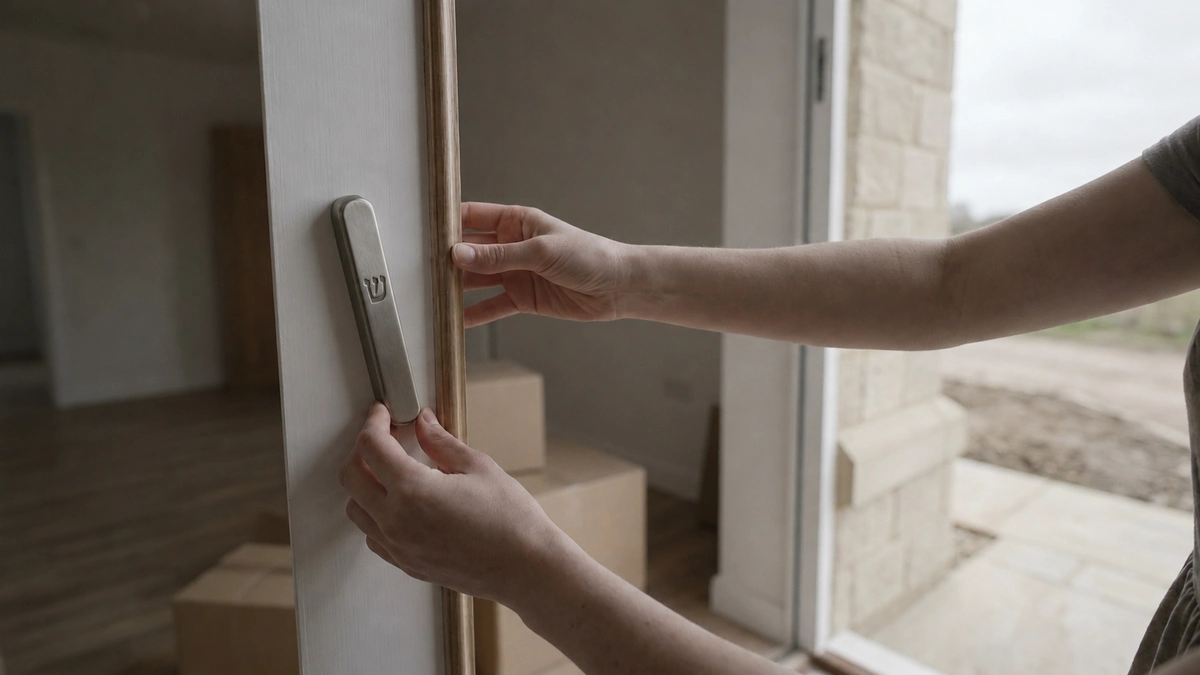
A mezuzah should be placed in a protective case. There is also a longstanding custom to make the mezuzah recognizable from the outside, and many cases are designed with a visible marking, opening, or window for that reason.
Practically, the main concern is that the case should protect the scroll from avoidable damage. A good case helps shield the mezuzah from moisture, sunlight, impact, and wear. Whether the case is simple or decorative, the important point is that it protects the klaf and allows the mezuzah to remain in place properly.
Common Mistakes To Avoid
Some of the most common mistakes are:
- opening the mezuzah too often for no real reason,
- handling the scroll roughly,
- trying to unroll an old or stiff klaf too quickly,
- assuming that a scroll is kosher just because it looks fine,
- or delaying professional checking when there is a real concern.
In many cases, the damage people fear is less likely to come from leaving the mezuzah alone than from opening it carelessly.
The Bottom Line
Yes, you can open a mezuzah case to check the scroll inside when there is a real need. But it should be done with care, with minimal handling, and without assuming that a quick look settles the halachic question.
A mezuzah can look acceptable and still require professional review. So if there is visible damage, long-term exposure to difficult conditions, or any real doubt about the scroll, the responsible step is to have it checked by a qualified sofer or magiah.
Need Help Checking a Mezuzah?
If you are unsure whether your mezuzah needs inspection, repair, or replacement, we can help guide you to the right next step. A careful professional check is the best way to know whether the mezuzah on your doorpost is still fit for the mitzvah.
Fulfilling the Mitzvah with Confidence
At Kosher Mezuzah, every scroll we offer is written by a qualified sofer (scribe) and checked by a trained magiah (halachic examiner) before it reaches your doorpost. We work under the endorsement of the Orthodox Union, whose oversight ensures that the halachic standards applied to our scrolls meet the requirements relied upon by kehillos (communities) across North America. Our process provides full traceability, you can know who wrote your scroll, who checked it, and when.
We also understand that mezuzos checked years ago may now require re-examination. Parchment ages, ink fades, and even a scroll that looked perfect when you purchased it may have developed problems over time. That is not a failure, it is simply the nature of a living mitzvah that requires ongoing attention. Mezuzah inspection services are designed to make that process clear and accessible.
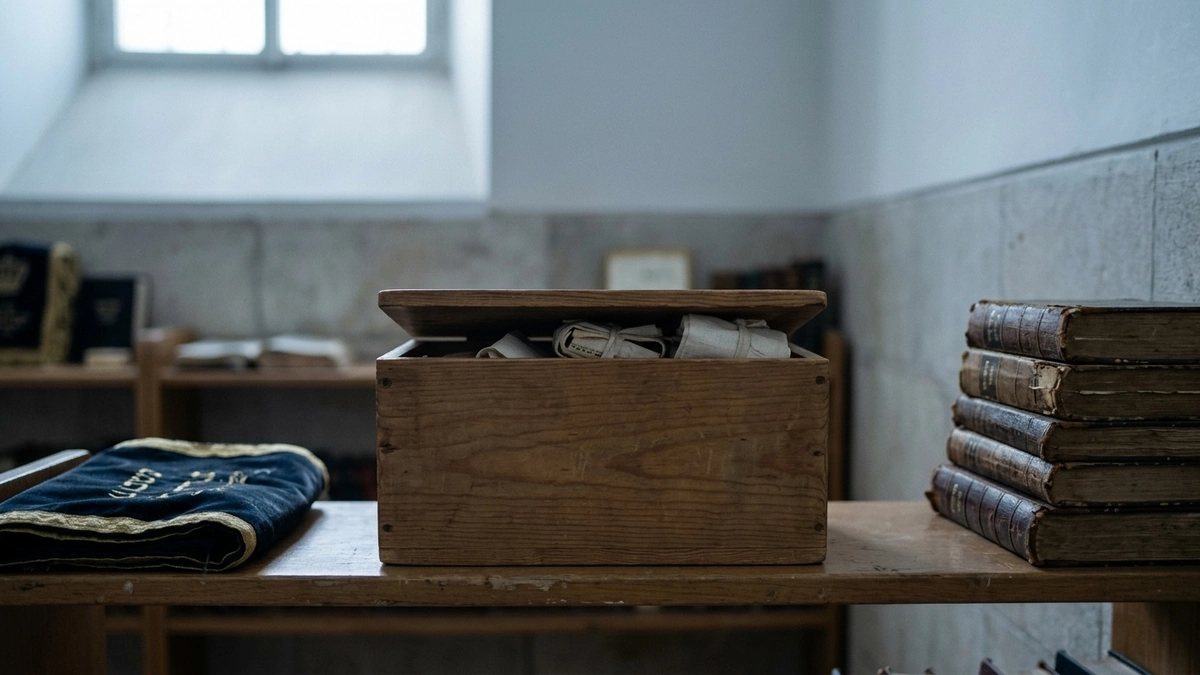
If a scroll is found to be pasul (invalid) and cannot be repaired, it must be handled with the same reverence in its retirement as it received during its service. A pasul klaf should be placed in mezuzah geniza, the proper respectful storage for worn or invalid sacred texts, rather than discarded. We are glad to advise on that process as well.
We Are Here to Help You Fulfill This Mitzvah Properly
If you have questions about opening a mezuzah case, handling a klaf, or whether your scroll needs to be checked or replaced, please reach out to us at Kosher Mezuzah and we will be glad to guide you.
Yehi ratzon milifnei Avinu shebaShamayim, may it be the will of our Father in Heaven, that your home be filled with the kedushah (sanctity) of the mitzvah of mezuzah, and that you and your family be blessed with shmirah (protection), shalom (peace), and all good things.


.svg)
Bring a true Kosher Mezuzah into your home
Fulfill the mitzvah with confidence, beauty, and meaning.
Buy a Mezuzah