
Mezuzah Repair vs. Replacement: How to Know What the Halacha Requires
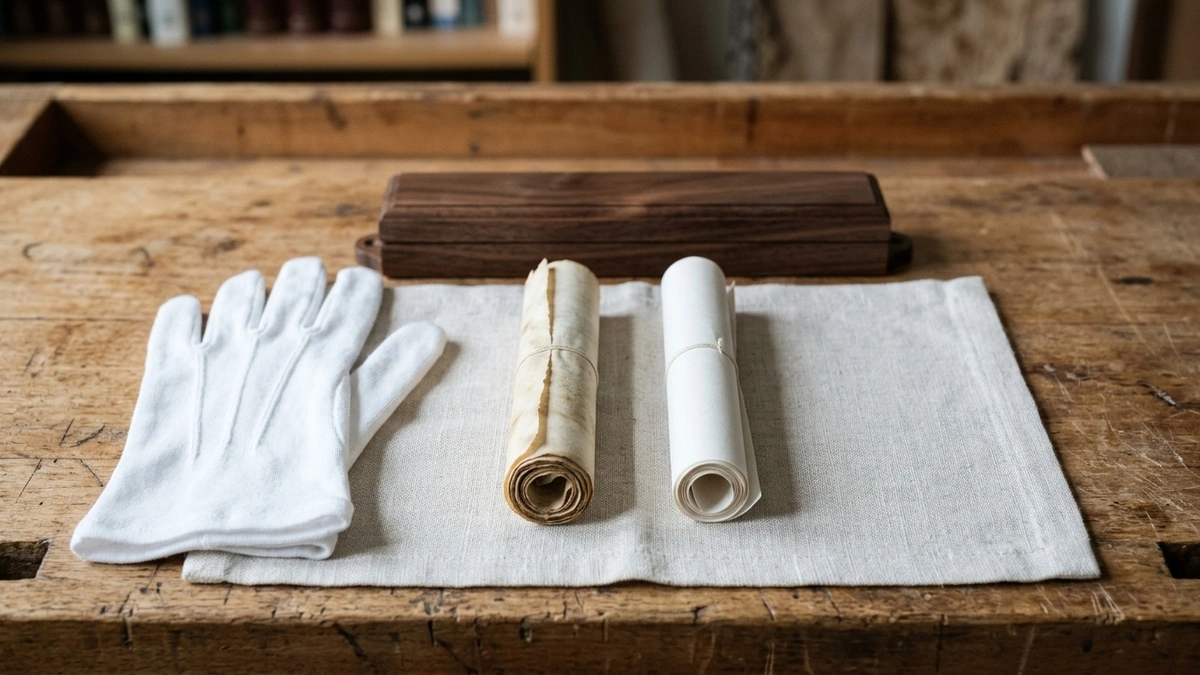
Mezuzah repair vs. replacement depends on the nature and severity of the damage. In most cases involving a damaged klaf (parchment scroll), the halacha requires that you have it examined by a qualified magiah (halachic mezuzah examiner) before making any decision. You cannot determine on your own whether a scroll is kosher or pasul (invalid) simply by looking at it.
. We cover this in more depth in What to Do with an Old or Damaged Mezuzah.
The Halachic Basis for Repair and Replacement
The question of repair arises specifically about the klaf, the parchment on which the text is written. The written words of the mezuzah must meet exact standards of tzurat ha'ot (the proper form of each letter) and must be written with dio (kosher ink) on proper klaf. Even a single invalid letter can render the mezuzah pasul. The poskim establish that a Torah scroll or mezuzah that is invalid due to missing or extra letters has strict limits on repair, and similar principles apply to letter damage in a mezuzah scroll. A sofer (Torah scribe) or trained magiah must assess whether the letters can be halachically restored. Understanding what makes a scroll pasul due to a missing letter is essential to making a well-informed choice about repair.
Because these halachos are highly technical, mezuzah repair questions should not be decided without expert review. The right next step is to have the mezuzah checked by a qualified magiah, who can determine whether the defect can be corrected or whether the scroll must be replaced entirely. Until that determination is made, the issue should be treated seriously and not dismissed based on appearance alone. If there is concern about possible damage, fading, moisture exposure, or malformed letters, the mezuzah should be submitted for checking as soon as possible so the proper halachic response can be taken.
How the Halacha Applies in Practice
When a mezuzah is found to be damaged, the practical path forward depends on what kind of damage exists. Physical damage to the case, such as a cracked or broken tube, does not necessarily affect the halachic status of the scroll inside, provided the klaf itself is unharmed. But if the scroll has been exposed to outdoor weather damage or prolonged sun and rain, the letters of the klaf may have faded or cracked in ways that are not visible without close examination.
Common signs of mezuzah damage that require professional assessment include faded or peeling ink, cracks in letters, a scroll that has become moist or brittle, and letters that appear smudged or connected to one another. Any of these issues can render the mezuzah pasul, and none of them can be assessed reliably without the trained eye of a magiah. If you notice any of these signs, the mezuzah should be removed and sent for checking promptly. Because a pasul mezuzah does not fulfill the mitzvah, suspected damage should never be ignored.
. See also Does a Missed Mezuzah Require Teshuvah? How to Repair the Mitzvah.
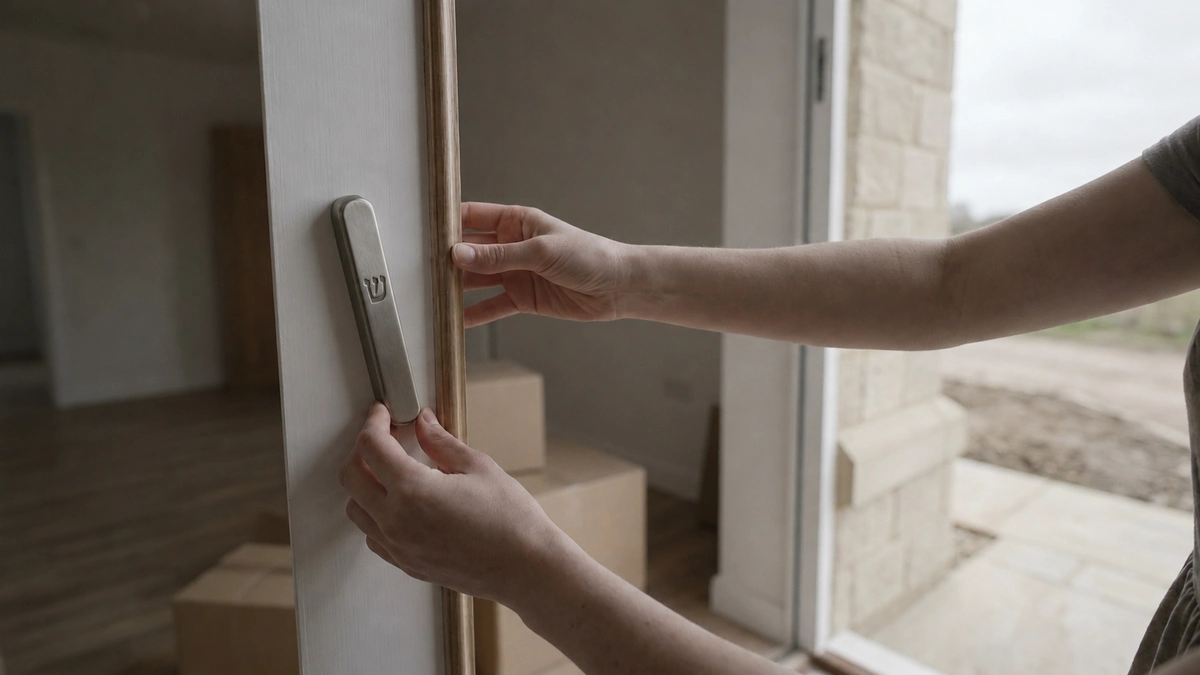
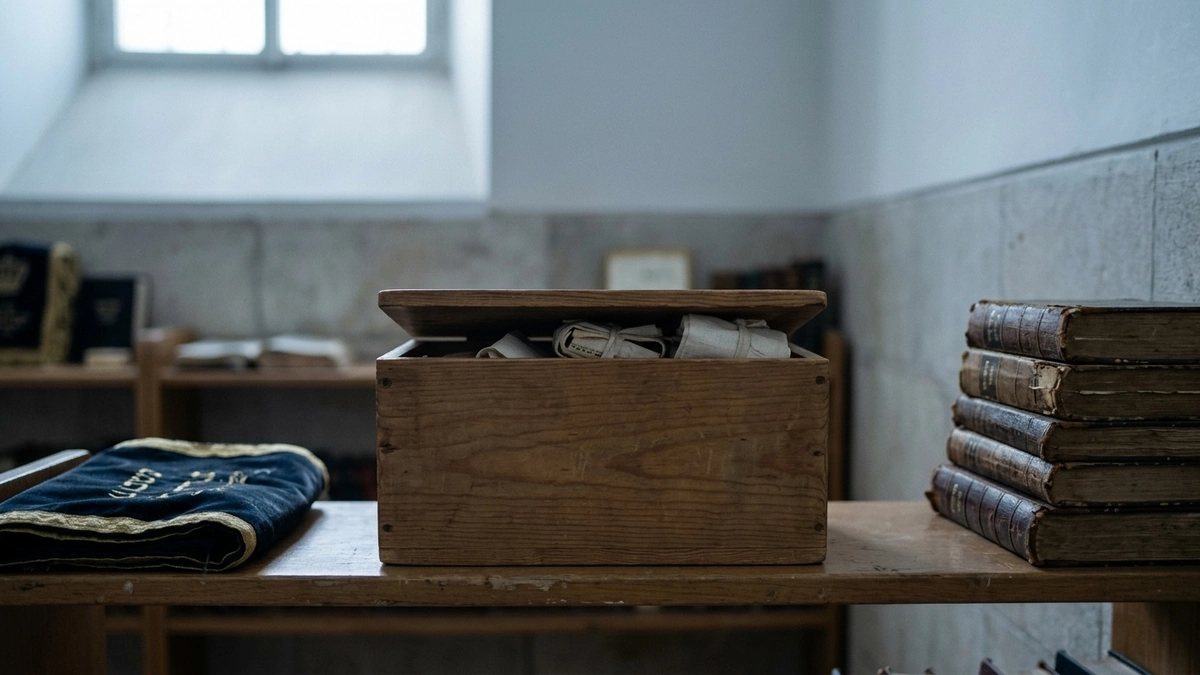
When a magiah determines that a letter or word can be halachically restored, repair may be possible. When the damage is too severe, when the scroll is written on non-kosher materials, or when the defects cannot be corrected in a halachically valid way, replacement is required. In the case of a mezuzah damaged after a disaster such as flooding or fire, replacement is often necessary. If a mezuzah falls on its own or is removed during a renovation, additional halachic questions can arise about fallen mezuzah halacha and whether a new bracha should be recited when it is re-affixed. For questions in any of these situations, we encourage you to consult your rav or reach out to Kosher Mezuzah for guidance.
Common Mistakes to Avoid
The most common mistake families make is leaving a suspect mezuzah in place because it "looks fine." The klaf is rolled inside a case, and damage to the letters is rarely visible to the naked eye without unrolling and inspecting the scroll under proper light. A second common mistake is attempting to repair a scroll at home. Even with good intentions, writing over faded letters without the proper qualifications can invalidate the mezuzah entirely. Halacha requires mezuzos to be checked periodically so that people do not unknowingly leave invalid scrolls in place. Professional mezuzah inspection services exist precisely for this reason and should be used whenever damage is suspected.
A third error involves replacing the case but not checking the scroll. Since mezuzah weather damage often affects the klaf, not just the outer case, placing a damaged scroll into a beautiful new case does nothing halachically. The case should protect the mezuzah properly, but the scroll inside is what determines whether the mitzvah is being fulfilled.
The Deeper Meaning of Keeping a Kosher Mezuzah
The halachic sources do not treat mezuzah as a mere symbol placed near the entrance. Rambam describes mezuzah as a constant reminder of Hashem's unity. Each time a person enters or leaves the home, the mezuzah calls him back to awareness of that truth and to a life directed toward avodas Hashem. When the scroll is pasul, that mitzvah is not being fulfilled properly. Maintaining a kosher mezuzah is therefore not only a matter of technical compliance, but also an expression of emunah (faith) and kavanah (intention).
Key Takeaways
When a mezuzah is damaged, the decision to repair or replace must be made by a qualified magiah, not by the homeowner alone. Damage to the case alone does not necessarily mean the scroll must be replaced, but damage to the klaf requires professional assessment. Even a single invalid letter can render a mezuzah pasul, and whether repair is possible depends on the exact nature of the defect. A pasul mezuzah left on the doorpost does not fulfill the mitzvah, regardless of how it looks from the outside. When in doubt, always consult your rav.
How Kosher Mezuzah Helps You Fulfill This Mitzvah Properly
At Kosher Mezuzah, every scroll we provide has been written by a qualified sofer and checked by a trained magiah. We work with examiners whose credentials are endorsed through the OU's mezuzah program, providing a level of traceability that gives buyers genuine confidence. You can know who wrote your scroll, who checked it, and that it met rigorous standards before it ever reached your doorpost.
We also understand that questions arise after a mezuzah is placed. Whether you have noticed signs of damage, experienced a home renovation, or simply want to know whether your scrolls are still kosher, we are here to help. Proper fulfillment of this mitzvah matters deeply, and we take that responsibility seriously.
If you have a mezuzah that may need repair or replacement, reach out to us at Kosher Mezuzah so we can help you determine the correct next step, because fulfilling this mitzvah properly is what matters most. May your home always be a place of kedushah (holiness) and shmirah (protection), and may the zechus of this mitzvah bring blessing to all who dwell within.


.svg)
Bring a true Kosher Mezuzah into your home
Fulfill the mitzvah with confidence, beauty, and meaning.
Buy a Mezuzah