
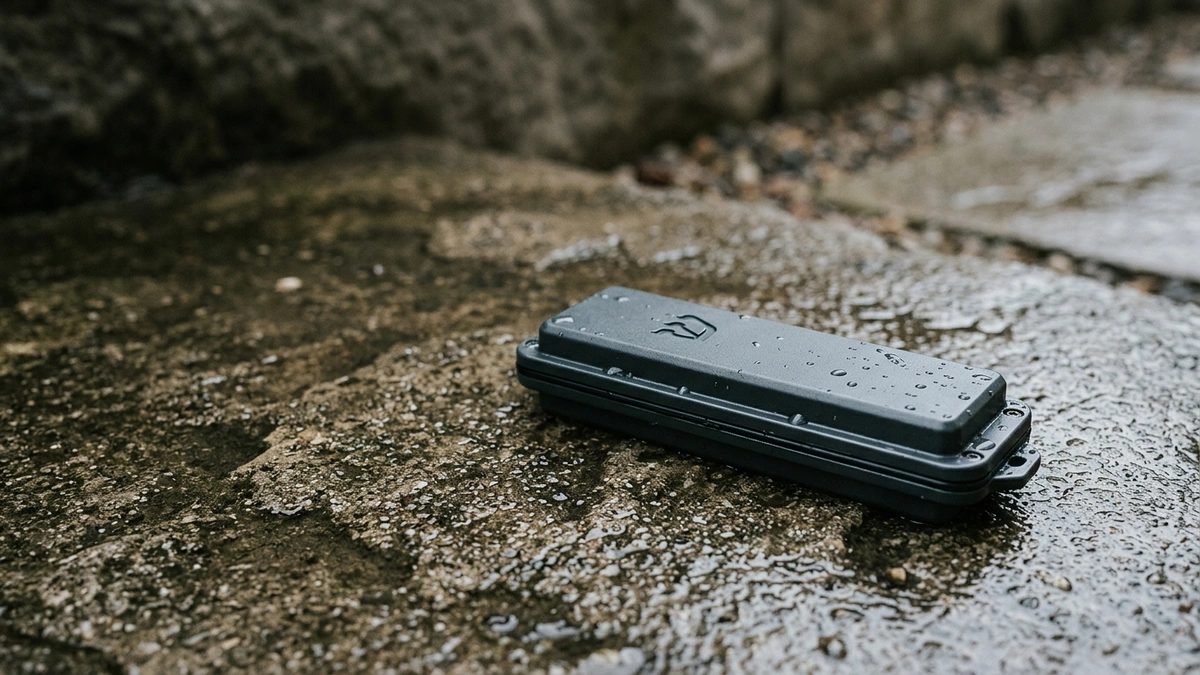
Best Waterproof Mezuzah Cases: What Actually Protects Your Scroll
Rain, humidity, direct sunlight, and coastal salt air can quietly destroy a mezuzah scroll in ways you may not notice until it is already pasul.
A waterproof mezuzah case is not simply a decorative housing — it is the physical barrier standing between your klaf and the environment that will, over time, render it invalid if left unprotected. Understanding what actually works, and what merely looks like it works, is essential for anyone who wants to fulfill this mitzvah properly year after year. Kosher Mezuzah is dedicated to ensuring the proper fulfillment of this mitzvah. If you have outdoor mezuzahs and are unsure whether your cases are truly sealed, reach out to us and we will help you evaluate your situation. We cover this in more depth in Does a Mezuzah Protect You? What Halacha Actually Teaches.
Key Takeaways
- An outdoor mezuzah case should protect the klaf from rain, moisture, heat, sun, and other conditions that can damage the scroll over time.
- Not every case sold as “outdoor” or “weatherproof” gives the same level of protection. What matters most is whether the case closes securely, fits the klaf properly, and is made for real outdoor exposure.
- A poor fit can create its own problems. If the scroll is compressed, bent, or left vulnerable to trapped moisture, the mezuzah may be damaged even when the case appears protective from the outside.
- Covering the mezuzah serves both dignity and preservation. For an exterior doorway, protecting the klaf is not just practical — it is part of maintaining the mezuzah in valid condition.
- Even a strong outdoor case does not remove the need for proper checking. The Shulchan Aruch gives the baseline schedule of twice in seven years for a private mezuzah, with earlier inspection warranted for scrolls exposed to environmental stress.
- High-quality care of a mezuzah only protects what is inside it — pairing the best case for protection with a scroll written and verified by a vetted sofer ensures both physical and halachic integrity of the mitzvah
Moisture is one of the most common threats to a mezuzah scroll. Because klaf is parchment, prolonged exposure to water or humidity can affect both the parchment and the writing over time. The damage is not always obvious at first, and a mezuzah may deteriorate gradually even while the case still looks intact from the outside.
That is why outdoor protection matters so much. A case that closes well, fits the klaf correctly, and is suited to the conditions of the doorway helps reduce the risk of damage before it reaches the scroll itself. The issue is not only visible water getting in, but long-term exposure to moisture, heat, and changing weather conditions.
Why Moisture Is the Primary Threat
Moisture is one of the most serious threats to a mezuzah scroll because the klaf and its writing can be damaged gradually, often before the problem is obvious from the outside. Rain, humidity, condensation, and repeated temperature changes can all affect the parchment and ink over time. For an exterior doorway, protecting the mezuzah from those conditions is not just a matter of convenience. It is part of preserving the mezuzah in kosher condition.
That is why an outdoor mezuzah case matters so much. The purpose of the case is not merely to display the mezuzah on the doorpost, but to help protect the klaf from the exposure that can compromise it. A case that fails to do that may still look presentable while the scroll inside deteriorates.
What Makes a Case Suitable for Outdoor Use
A good outdoor mezuzah case should do three things well. First, it should close securely and help keep out rain, moisture, and direct exposure. Many standard cases are fine indoors but are not designed to withstand real outdoor conditions over time.
Second, the case should fit the scroll properly. If the klaf is forced into a case that is too small, it can be stressed or damaged. If the case is too large, the scroll may sit poorly inside and receive less protection than it should. A proper fit helps preserve both the parchment and the writing.
Third, the case should be made from materials that can actually hold up outdoors. The question is not simply whether the case looks sealed when first installed, but whether it can continue protecting the mezuzah through weather, humidity, sunlight, and temperature changes in that location.
The Halachic Framework for Covering the Mezuzah
Classical halachic sources discuss both the dignity of the mezuzah and the conditions in which it should be covered. The practical takeaway here is straightforward: the mezuzah must remain in a proper state, and the way it is housed matters. A case that protects the klaf from weather exposure, dirt, and unnecessary handling helps preserve the mezuzah as it ought to be preserved.
For an outdoor doorway especially, the right case serves both purposes at once: it protects the mezuzah and keeps its presence on the doorpost clear and dignified.
Practical Application: Choosing the Right Case for Each Door
Not every doorway needs the same level of protection. An interior doorway in a climate-controlled home may be fine with a standard case, while a front door or side entrance exposed to rain, wind, humidity, or sun should have a case suited to those conditions.
For exposed openings, choose a case designed for outdoor use, with a secure closure and a fit appropriate to the size of the klaf. In humid climates, coastal areas, or places with strong seasonal temperature swings, it is especially important to choose a case that can continue protecting the scroll under those conditions.
If you are unsure which doorways in your home require stronger protection, our guide to which doorways require mezuzah can help clarify the mezuzah obligation itself, and our halachic placement guides address doorway requirements in greater detail.
A common mistake is choosing a decorative case for an outdoor doorway without asking whether it is actually suited for outdoor exposure. Many standard indoor decorative cases are designed for interior use — their openings are open, their materials are porous or corrosive, and they offer no meaningful barrier against rain or humidity. Placing an interior-grade case on an outdoor doorpost may satisfy the visual requirement of having a mezuzah, but it puts the klaf at serious risk.
Another mistake is assuming that any case with a back panel or sliding cover is automatically protective. In reality, a case can look enclosed and still allow moisture, humidity, or shifting over time if the closure is loose or the design is not suited for real outdoor exposure. What matters is not how the case appears at first glance, but whether it can consistently protect the klaf from the conditions that threaten it over time.
Kosher Mezuzah
Kosher Mezuzah carries cases designed specifically for outdoor and high-exposure environments, including sealed transparent options that allow you to confirm the scroll is properly positioned without opening the case. Our process is endorsed by the Orthodox Union, and we maintain full traceability for each scroll — who wrote it, who checked it, and what materials were used. This level of accountability gives buyers confidence that the scroll inside the case is genuinely kosher, not merely assumed to be.
If you are ready to acquire a verified, halachically reliable scroll, you can explore our mezuzah scrolls, written and checked through our OU Endorsed process, here. If you have questions about any mezuzah in your home, whether about the case, the scroll's condition, or the placement, contact us directly and we will guide you through what fulfilling the mitzvah correctly looks like. May your home be guarded and blessed.
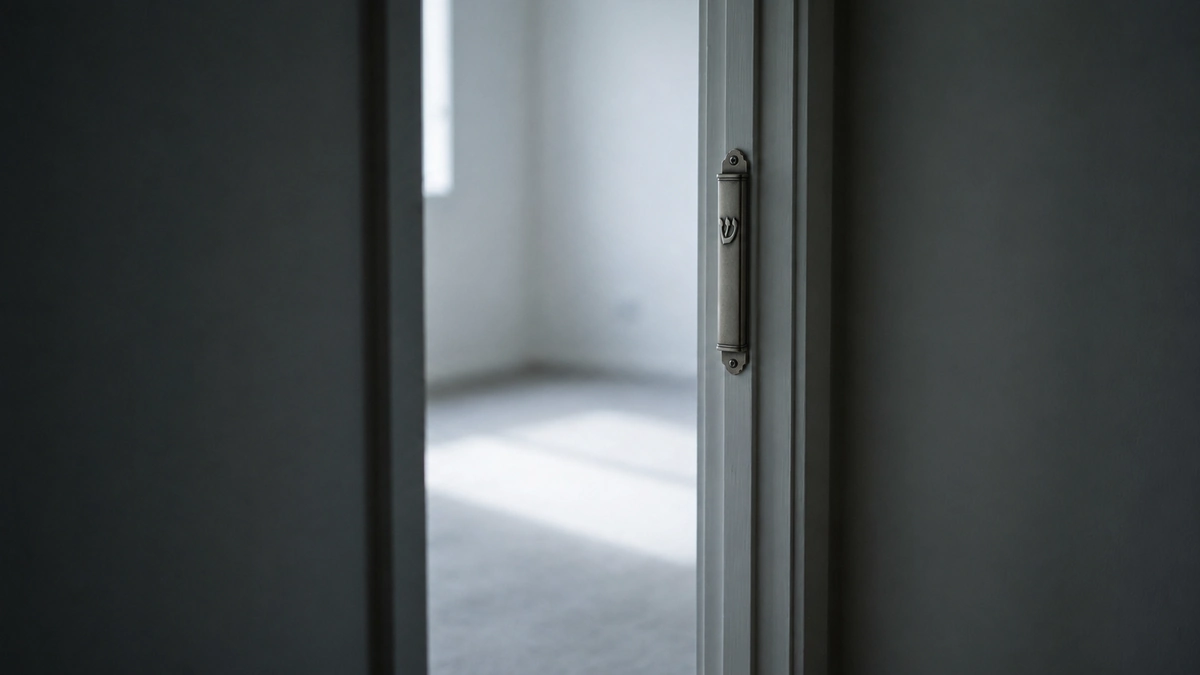
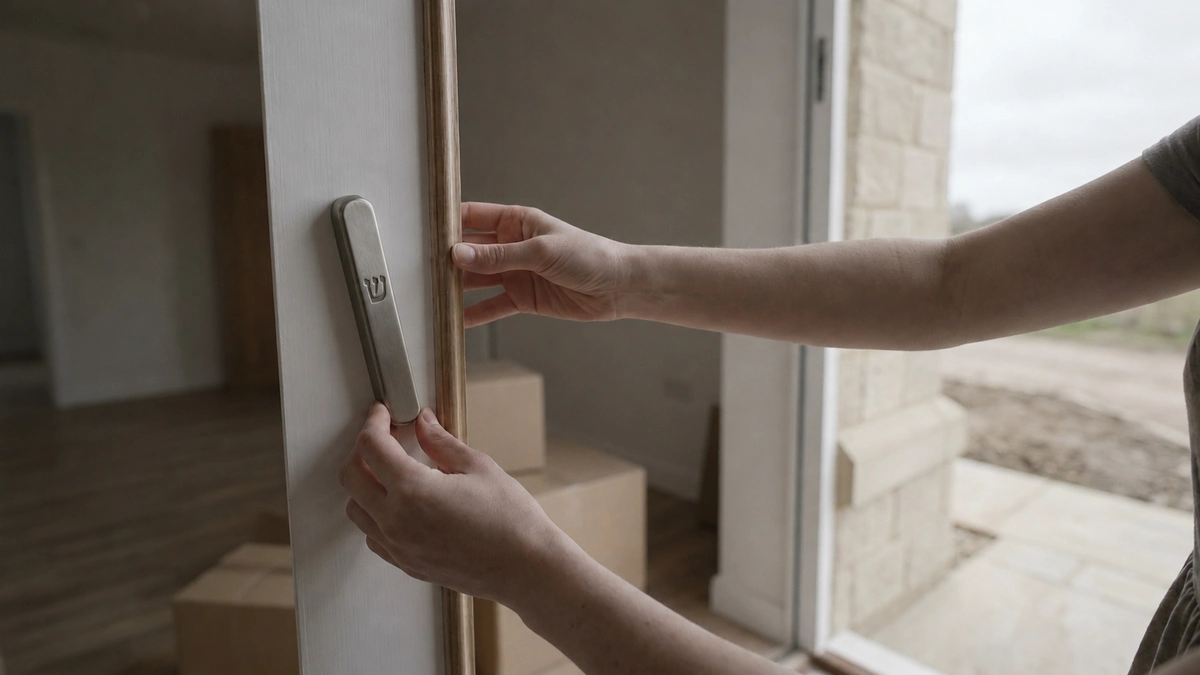

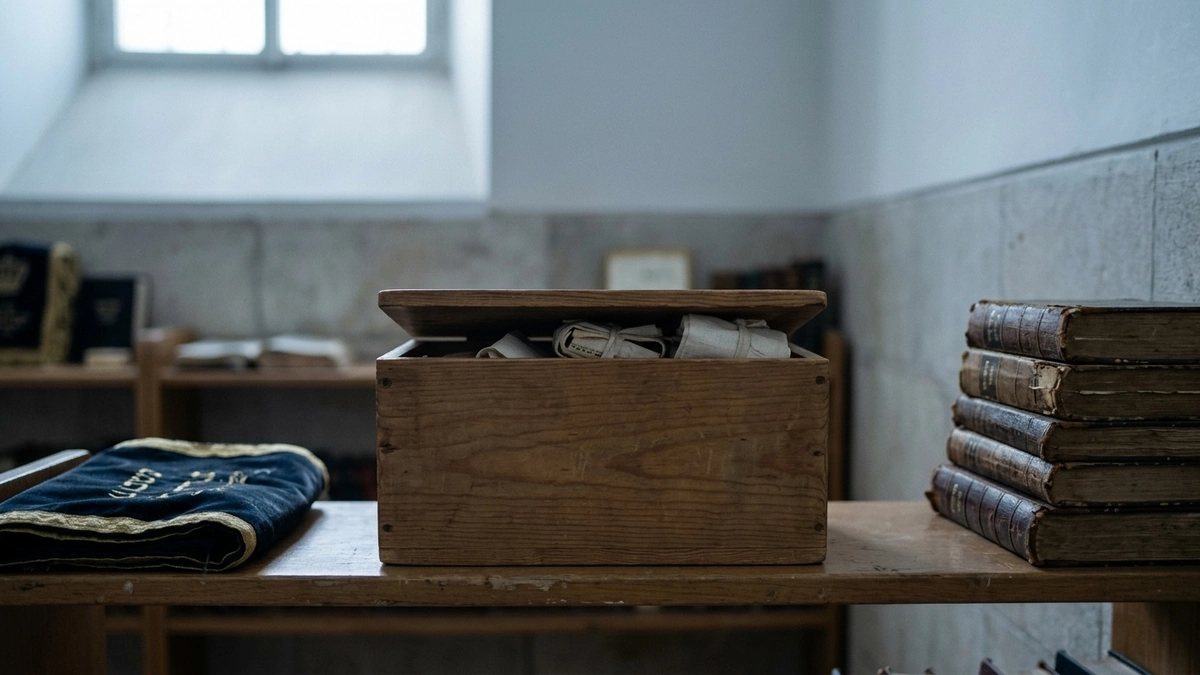
.svg)
Bring a true Kosher Mezuzah into your home
Fulfill the mitzvah with confidence, beauty, and meaning.
Buy a Mezuzah