

Should You Upgrade Your Mezuzah? What Halacha Actually Requires
Many Torah-observant families eventually ask whether they should upgrade mezuzah quality in their home. Sometimes the question comes up after years of using a basic kosher scroll. Sometimes it comes up when someone is moving, renovating, or replacing old mezuzos. And sometimes the question is simpler: if a more mehudar option exists, is upgrading mezuzah required? Is a mehudar mezuzah an obligation, or simply a praiseworthy choice?
The question touches something real, our desire to fulfill the mitzvah properly and to honor Hashem in our homes. This article answers that question clearly, from the halachic sources, so you can make a thoughtful, well-informed choice.
Should You Upgrade Your Mezuzah? Halachic Priority Explained
The short answer is this: if your current mezuzah is kosher, halacha does not usually require you to replace it just because a nicer one exists. A kosher mezuzah already fulfills the mitzvah. Still, many people choose to upgrade mezuzah quality because they want to honor the mitzvah in a more beautiful and careful way.
That is an important distinction. The baseline obligation is a kosher mezuzah scroll. The upgrade belongs to the world of hiddur mitzvah. So when people ask, "is upgrading mezuzah required," the first question is not whether a better product exists. The first question is whether the mezuzah already on the doorpost is kosher and still in good condition.
Mezuzah Hiddur Importance: What the Sources Actually Say
The classic source for hiddur mitzvah is the verse, "This is my God, and I will glorify Him" (Shemot 15:2). In Shabbat 133b, Chazal explain that this means a person should beautify mitzvah objects: "Make before Him a beautiful sukkah, a beautiful lulav, a beautiful shofar, beautiful tzitzit, a beautiful Torah scroll..."
For mezuzah specifically, the stronger source is Masechet Soferim 3:13, which speaks about "a beautiful mezuzah" alongside other beautiful mitzvah objects. That means the mezuzah hiddur importance is not just a modern sales idea. It is rooted in older Torah literature. A mehudar mezuzah is a praiseworthy enhancement of the mitzvah, even when a basic kosher mezuzah already fulfills the core requirement.
Better Mezuzah vs Basic: What Halacha Is Really Comparing
When people discuss a better mezuzah vs basic, halacha is not mainly talking about the case. It is talking about the scroll itself. The real question is whether the klaf was written properly, by a qualified sofer, with reliable standards, and whether the writing remains kosher.
A basic kosher mezuzah can fully satisfy the mitzvah. A more mehudar mezuzah usually means a higher level of care in the writing, cleaner formation of letters, stronger quality control, and greater confidence in the scroll’s provenance. If a family has limited funds, the halachic priority is clear: first make sure every obligated doorway has a kosher mezuzah. Only after that does upgrading become the next level of beautification.
Mezuzah Quality Levels and Why Bedikah Still Matters
Not all kosher mezuzos are equal in quality, and understanding what higher quality really means in halacha will help you make a meaningful decision. A basic kosher mezuzah meets the minimum requirements: the letters are correctly formed (tzurat ha'ot), the text is complete, the klaf is from a kosher animal, and the dio (ink) adheres properly. A mehudar mezuzah goes further. The sofer writes with greater care, spacing, and consistency. The letters are formed with more precision, the klaf is of superior quality, and the overall appearance reflects the "beauty" that the Rishonim described.
What matters most from a halachic standpoint, however, is that the scroll remains kosher, free of any pasul (invalid) letters or breaks in the ink. A beautifully written scroll that has cracked letters or faded ink over time is no longer fulfilling the mitzvah at all. This is why regular checking (bedikah) by a qualified magiah (halachic mezuzah examiner) is not optional. Even the finest mezuzah in the world requires checking twice in seven years, once in three and a half years in a damp climate, and in drier conditions, at least within the seven-year window. A scroll can become pasul without any visible external damage, which is a point many people are surprised to learn.
It is also worth understanding that different communities have different scribal traditions, Ashkenazi, Sephardi, and Chabad ksav (script) each follow their own mesorah (tradition). When you upgrade your mezuzah, the ksav you choose should match your own community's practice. Our article on Ashkenazi and Sephardi mezuzah differences can help clarify which tradition applies to your family. If you are unsure, ask your rav, this is precisely the kind of question he should be consulted on before you purchase.
If you are a renter rather than a homeowner, the obligation to affix a mezuzah still applies, though the question of who is responsible for the cost and what happens when you leave involves its own set of halachic considerations. Our guide on the renter's mezuzah obligations addresses those questions separately. What does not change, whether you own or rent, is the basic principle: the scroll must be kosher, it must be checked, and if you have the means, seeking a more mehudar scroll is a genuine fulfillment of hiddur mitzvah.
Is a Mehudar Mezuzah Worth It? A Practical Way to Decide
So, is a mehudar mezuzah worth it? For many families, yes. If the current mezuzah is kosher, a mehudar upgrade can still be worthwhile because it reflects extra care for the mitzvah. It can also bring peace of mind when the new scroll comes from a trusted source with clear documentation about who wrote it and who checked it.
At the same time, the answer is not the same for every home. If your present mezuzah is kosher and your budget is tight, halacha does not demand an immediate replacement. If the mezuzah’s status is uncertain, though, or if it came from a source you cannot verify, then upgrading may become less about optional beauty and more about making sure the mitzvah is being fulfilled properly.
What People Often Miss When They Upgrade Mezuzah Quality
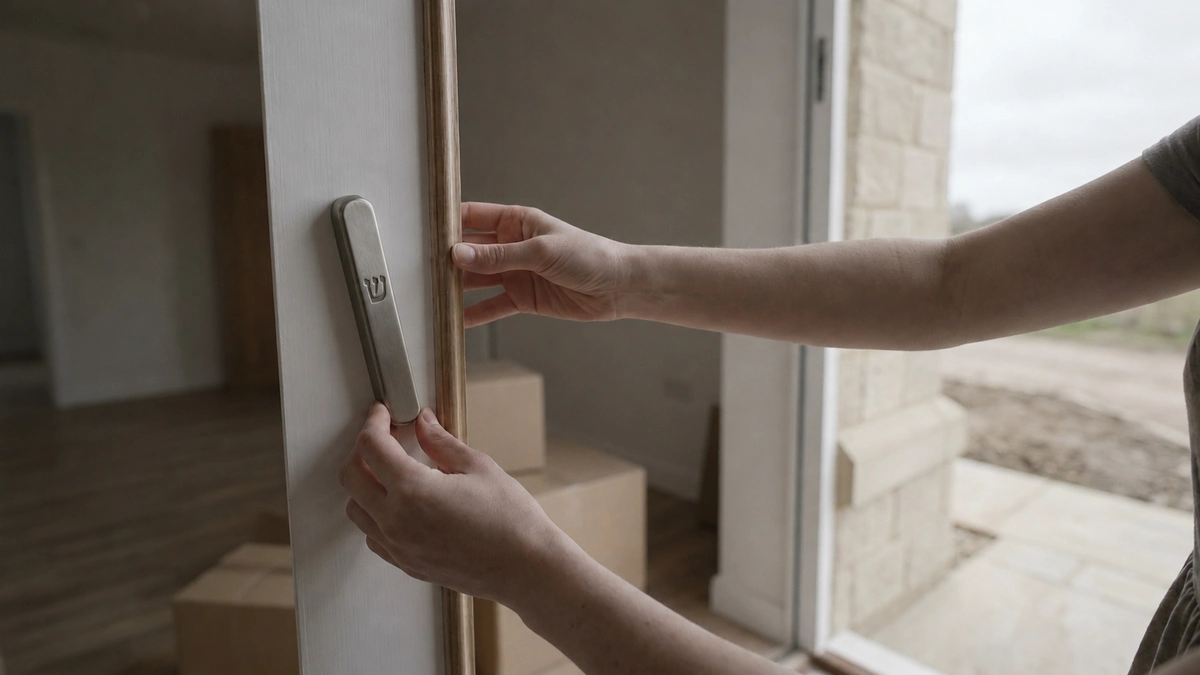
The most common mistake people make when thinking about upgrading their mezuzah is focusing on the case rather than the scroll. A beautiful wooden or silver case does nothing for the kashrus or the hiddur of the mitzvah. The mitzvah is in the klaf, the handwritten scroll inside. Spending significant money on an ornate case while keeping an old, unchecked, or low-quality scroll is a missed opportunity at best and a halachic concern at worst.
A second common error is assuming that because a scroll was purchased from a reputable source, it remains valid indefinitely. A mezuzah scroll can become pasul due to cracked or missing letters over time, and this happens to even the finest scrolls. Ink dries. Klaf shifts. Letters that were once perfectly formed may crack or touch in ways that invalidate the scroll. This is not a sign of poor quality, it is simply the nature of a handwritten document made from organic materials. The obligation to check your mezuzos exists precisely because the mitzvah must remain active, not just historical.
A third mistake is purchasing a mezuzah scroll without being able to verify who wrote it or who checked it. Knowing the provenance of your mezuzah scroll, the name of the sofer, the name of the magiah, the date of writing, and the materials used, is the foundation of halachic confidence. Without this information, it is difficult to know what you actually have.
Key Takeaways on Whether to Upgrade Mezuzah
Upgrading your mezuzah is halachically encouraged, rooted in the principle of hiddur mitzvah, but it is not a strict obligation once a basic kosher scroll is in place. The quality that matters most in halacha is ongoing kashrus, a scroll that is free of invalid letters and has been checked by a qualified magiah within the required timeframe. A mehudar scroll reflects greater care in writing and materials, and the Rishonim specifically applied the principle of "This is my Hashem and I will beautify Him" to the mezuzah. Whatever level of mezuzah you choose, the scroll must be traceable to a known sofer and magiah, written on proper klaf with proper dio. When in doubt about your current mezuzah, whether it still meets the basic halachic standard or whether it is time to upgrade, consult your rav and arrange for a bedikah.
About Kosher Mezuzah
At Kosher Mezuzah, every scroll we carry is handwritten by a qualified sofer and checked by a trained magiah, and we provide the names of both, along with the date of writing and the materials used. Our scrolls are produced through a process endorsed by the Orthodox Union, and each mezuzah comes with a QR code that links directly to the image of your actual scroll. This level of traceability is not a marketing feature, it is the foundation of halachic accountability.
We also emphasize that proper fulfillment of the mitzvah does not end at purchase. A scroll that is not checked cannot be assumed to remain valid. We are here to help you arrange regular bedikah and to answer questions about whether your current mezuzos need to be replaced. Whether you are starting with your first mezuzah or considering a meaningful upgrade, our goal is the same: that the mitzvah should be fulfilled fully, correctly, and with confidence.
If you have questions about your mezuzos, what you currently have, whether they need checking, or what a mehudar upgrade would involve, we are glad to help. Reach out to us at Kosher Mezuzah and we will walk you through it together.
May the mezuzos on your doorposts be a zechus for your entire household, and may Hashem guard your going out and your coming in, now and forever.


.svg)
Bring a true Kosher Mezuzah into your home
Fulfill the mitzvah with confidence, beauty, and meaning.
Buy a Mezuzah